

Quick answer
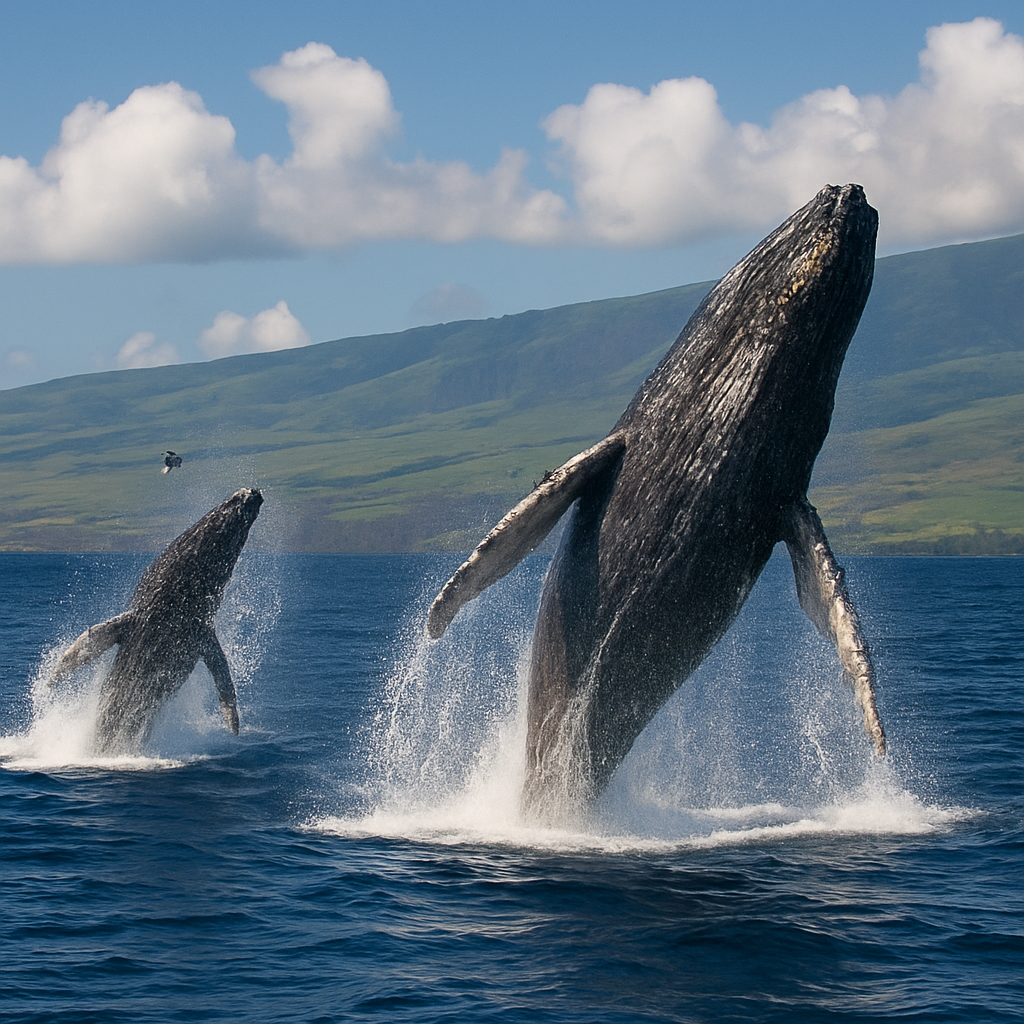
The hawaii whale watching best time falls between mid-December and early May, with February and March offering the highest concentration of humpback whales. During these two months, whale populations peak across all islands as mothers nurse newborn calves in shallow coastal waters. Morning departures between 7:00 and 10:00 AM provide calmer seas and better lighting for spotting breaches, tail slaps, and competitive pod behavior. Shoulder months of December and April offer fewer crowds but reduced whale activity.
Each winter, approximately 10,000 North Pacific humpback whales abandon Alaskan feeding grounds and swim 3,000 miles to Hawaiian waters, arriving in staggered waves from late November through early January. The migration transforms Hawaii's coastal zones into the planet's most accessible humpback nursery, with mothers and calves occupying depths of 600 feet or less along every major island. Shore-based lookouts at public coastal access points offer free viewing, though boat-based excursions bring observers within regulated distances of breaching adults and surface-active pods. When planning a hawaii whale watching best time guide, the calendar divides into three phases. Early season—December and early January—sees scattered arrivals as lead whales claim preferred breeding areas. Mid-season—late January through March—concentrates the entire population in Hawaiian waters, with February marking the statistical peak for calf births and competitive male displays. Late season—April and early May—thins the population as whales begin the return journey north, though dedicated observers still log multiple sightings per outing. Ocean conditions mirror this progression: winter swells during December and January give way to calmer February and March seas, then variable spring conditions as trade winds strengthen in April. Humpback behavior shifts across the season. January focuses on breeding, with males singing complex underwater songs and engaging in surface battles for female attention. February and March shift to calf-rearing, as newborns practice breaching and mothers escort them through shallow bays. April observations capture pre-migration feeding behavior as whales bulk up for the Alaska crossing. Optimal whale watching in Hawaii requires matching your visit to these behavioral windows—late February offers the highest probability of observing mother-calf pairs at close range, while mid-March balances peak populations with improving weather. Morning departures align with whale activity patterns and practical ocean conditions. Humpbacks surface most frequently during early daylight hours, and afternoon trade winds create chop that obscures distant spouts and fin slaps. The Hawaiian Islands Humpback Whale National Marine Sanctuary enforces approach limits of 100 yards for vessels, making calm morning seas essential for safe, legal observation of breaching whales and competitive pods.
“February marks the statistical peak for calf births and competitive male displays across all Hawaiian Islands.”
Daily Availability for Hawaii Whale Watching Best Time Planning
Shore-based whale watching locations across the Hawaiian Islands are accessible throughout the week to accommodate flexible planning. These public coastal lookouts remain open at all times for observation.
| Monday | 00:00–23:59 | |
|---|---|---|
| Tuesday | 00:00–23:59 | |
| Wednesday | 00:00–23:59 | |
| Thursday | 00:00–23:59 | |
| Friday | 00:00–23:59 | |
| Saturday | 00:00–23:59 | |
| Sunday | 00:00–23:59 |
Hawaii Whale Watching Best Time Preparation Checklist
Prepare these essentials to maximize your whale-watching experience during peak humpback season.
-
Check NOAA marine forecasts — Coastal conditions change rapidly and affect visibility and safety.
-
Bring polarized sunglasses and binoculars — Polarization reduces glare on water, binoculars reveal distant whale activity.
-
Dress in layers with windproof outer shell — Morning coastal winds can be strong even during warm months.
-
Apply reef-safe sunscreen before departure — Protect skin during extended outdoor viewing while preserving marine ecosystems.
-
Download offline whale identification guides — Cell service may be limited at remote coastal lookouts.
-
Arrive between 7:00–10:00 AM — Calmer morning waters and favorable light improve spotting conditions.
-
Reserve boat tours 2–4 weeks ahead — Peak season (January–March) sees high demand for limited tour slots.
Check availability
Frequently asked questions about hawaii whale watching best time
Everything you need to know about hawaii whale watching best time