

Quick answer
Hawaii whale watching prices range from $60 to $300+ per person depending on tour type and duration. Standard two-hour group cruises from Maui or Oahu typically cost $80 to $120 for adults, while premium catamaran tours with smaller groups run $150 to $200. Private charters and luxury experiences can exceed $300 per person, especially during peak migration months from January through March.
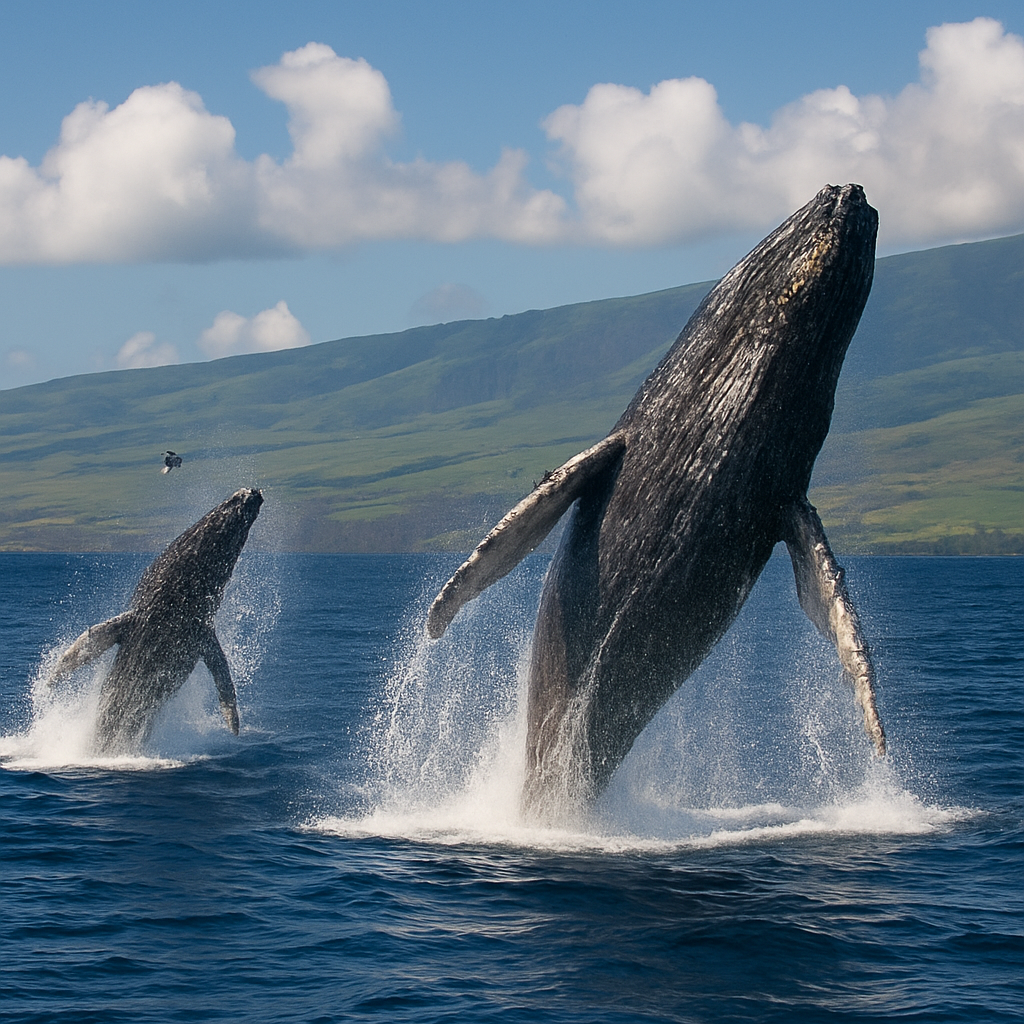
The Hawaiian humpback whale population peaks between mid-December and April, when roughly 10,000 animals gather in the warm, shallow waters surrounding Maui, Lanai, and the Big Island to breed and calve. Tour operators across the islands adjust their schedules and pricing to match this predictable migration, creating a competitive market where the same experience can vary by $100 depending on when and where you book. Vessel size is the primary cost driver. Large commercial catamarans carrying 100+ passengers offer the lowest per-person whale watching tour rates because they spread operating costs across more tickets. These boats typically depart from Lahaina Harbor on Maui and Honolulu Harbor on Oahu, running two-hour morning and afternoon loops through known congregation zones along the coast. Smaller rigid-hull inflatables and sailing catamarans carrying 15 to 40 guests charge a premium for closer encounters and more personalized narration from marine naturalists. Private charters, which dedicate an entire vessel to your party, command the highest rates but allow flexible departure times and custom routes. Departure location also affects pricing structure. Maui dominates the whale watching industry because the shallow Auau Channel between Maui, Lanai, and Molokai serves as the species' primary nursery ground. Competition among Lahaina-based operators keeps baseline costs lower than comparable tours from the Big Island's Kona coast, where humpbacks appear in smaller numbers and boats must travel farther offshore. Oahu tours from Waikiki or Ko Olina fall somewhere in between, offering convenient access for Honolulu visitors but fewer guaranteed sightings than Maui's waters. Seasonal demand creates significant price swings. January through March represents peak whale watching season, when tour availability tightens and operators charge top rates. Early December and late April see discounted offerings as the migration begins and ends, though sightings become less consistent. Some companies bundle whale watching with snorkeling stops or coastal sightseeing, which increases the ticket cost but extends the tour to three or four hours. Free entry to the ocean itself means no admission fees exist, but all commercial whale watching requires booking a licensed tour due to federal marine mammal protection regulations that prohibit approaching humpbacks within 100 yards without proper permits.
“The shallow Auau Channel between Maui, Lanai, and Molokai serves as the species' primary nursery ground, concentrating more humpbacks than any other Hawaiian waters.”
Understanding Hawaii Whale Watching Price and Admission Structure
Whale watching in Hawaii occurs in public ocean waters, meaning there is no government-mandated entrance fee to view the animals. All costs associated with the activity are set by private tour operators providing vessel passage.
While ocean access is free, visitors typically pay varying market rates for private boat tours, with final costs depending on the operator and vessel type.
Best Time of Day and Season for Hawaii Whale Watching Price Value
Humpback whales migrate to Hawaiian waters annually, with the peak season offering the highest probability of sightings. For the best visibility and calmest sea conditions, visitors should target the morning arrival window of 07:00–10:00.
Peak Season (Jan–Mar)
High crowd levels75°F to 80°F; calm seas
Peak migration provides the most frequent whale activity.
Shoulder Season (Dec & Apr)
Moderate crowd levels72°F to 78°F; variable seas
Whale sightings are common, though less frequent than peak months.
Morning (07:00–10:00)
Peak daily demand—
Calmest ocean conditions and optimal visibility for spotting surface activity.
Afternoon
High demand—
Sea conditions often become windier and choppier as the day progresses.
Verdict: Plan your excursion for the peak migration months of January through March, arriving during the 07:00–10:00 morning window to maximize sea conditions and visibility.
Planning Your Hawaii Whale Watching Price Budget and Additional Costs
While the harbor entry fee is 0 USD, your total whale watching budget includes several peripheral expenses to consider. Planning for these incidental costs ensures your excursion proceeds without financial surprises.
How to spend less
- Book tours in advance to secure standard rates
- Pack your own water and snacks to avoid harbor prices
- Car pool to harbors to split parking fees
Expect to spend between 45 USD and 105 USD per person beyond the base tour cost for a comfortable experience.
Pre-Visit Hawaii Whale Watching Price and Preparation Checklist
Confirm these logistics before departure to ensure a smooth whale watching experience.
-
Book your tour in advance — Peak season (December–April) sells out quickly, especially morning departures.
-
Check weather and sea conditions — Tours may cancel or reschedule due to high surf or poor visibility.
-
Bring motion sickness medication if needed — Ocean swells affect even larger vessels during winter months.
-
Pack reef-safe sunscreen and layers — Sun exposure is intense on open water; temperatures drop once underway.
-
Confirm departure harbor and parking details — Different operators use different harbors; parking fees vary by location.
-
Arrive 30 minutes before departure — Check-in, safety briefings, and boarding take time before the scheduled start.
Check availability
Frequently asked questions about hawaii whale watching price
Everything you need to know about hawaii whale watching price