1 hr 30 min
Oahu Humpback Whale Watching Voyage
- Entry ticket
- Mobile voucher
- Valid same day
- Free cancellation
Hawaii Whale Watching Oahu — Kewalo Basin Departures
Morning departures from Honolulu Harbor, humpback encounters in offshore waters
Compare fares, pick the fit — all bookings are mobile-voucher and eligible for free cancellation where shown.
1 hr 30 min
2 hr
2 hr
Selecting the right excursion for hawaii whale watching oahu requires balancing your preference for vessel size, group intimacy, and inclusion of amenities. These hawaii whale watching oahu tours depart primarily from Kewalo Basin Harbor, offering varied maritime perspectives on the annual humpback migration.
| Large Vessel Cruise Stability & Space |
Top pick Small-Group Catamaran Intimate Sightings |
Private Charter Customized Experience | |
|---|---|---|---|
| Vessel Type | Multi-level tour boat | 50-foot catamaran | Custom private vessel |
| Group Capacity | Up to 80 guests | Limited/Intimate | 1 to 12 guests |
| Viewing Perspective | Spacious deck levels | Low-profile water access | Exclusive private deck |
| Best Arrival Window | 07:00–10:00 | 07:00–10:00 | Flexible per contract |
| Amenities Included | Indoor cabin & restrooms | Shaded seating & snacks | Fully customizable itinerary |
| Best for | Families & first-timers | Wildlife photography enthusiasts | Special events & groups |
| See tickets & prices |
Verdict: For the most balanced experience, first-time visitors should choose a small-group catamaran hawaii whale watching oahu ticket to ensure both comfort and proximity to marine life.
Worth it during whale season only
Hawaii whale watching Oahu delivers genuine humpback encounters from December through April when thousands migrate to breed in Hawaiian waters. Tours operate from Kewalo Basin Harbor with morning departures (7:00–10:00) offering the calmest seas and clearest sightings. The five bookable options range from traditional catamaran cruises to vessels with underwater viewing pods and cultural ceremonies—each providing 2–3 hour excursions with marine naturalist narration. Entry to the harbor itself costs 0 USD; whale watching oahu tours require paid bookings that typically include breach sightings, tail slaps, and pectoral fin displays. The North Shore and windward coast offer shore-based alternatives for budget travelers, though boat-based access gets you closer to pods and increases encounter probability. Peak season (January–March) justifies the investment for reliable sightings; outside whale season, these same hawaii whale watching oahu tickets pivot to dolphin and sea turtle cruises with lower wildlife guarantees.
Bottom line: Book a morning departure between January and March for the best balance of sea conditions, humpback activity, and value per dollar spent.
They complement each other; most visitors who do both call Maui the more thrilling wildlife encounter, while Oahu offers superior urban convenience. Selecting the right hawaii whale watching oahu tour depends on whether your priority is marine mammal frequency or ease of harbor access.
|
Top pick Oahu |
Maui | |
|---|---|---|
| Typical whale density | Moderate | High |
| Accessibility from Honolulu | Direct access | Flight or ferry required |
| Travel logistics | Minimal travel needed | Requires inter-island transit |
| Harbor type | Urban commercial basin | Coastal harbor town |
| Overall atmosphere | Accessible marine excursions | Dedicated wildlife sanctuary focus |
| See tickets & prices |
Verdict: Choose Oahu if you prefer seamless logistics from your hotel to the vessel, or opt for Maui if maximizing your chances of spotting humpback whales is the primary goal of your hawaii whale watching oahu tickets.
Hand-picked experiences loved by thousands of travelers
2 hours
Free Cancellation
Spot humpback whales from a stable catamaran with drinks, expert commentary, and ocean views
2 hours
Free Cancellation
Watch humpback whales from a two-deck vessel while enjoying Hawaiian refreshments and cultural performances
2 hours
Free Cancellation
Sail the western shores of Oahu aboard an eco-conscious vessel to observe breaching humpbacks in their natural habitat.
2 hours
Free Cancellation
Set sail on Hawaii's biggest vessel to observe majestic humpbacks with expert naturalists aboard
2 hours
Free Cancellation
Two-hour ocean voyage aboard a modern trimaran to observe humpback whales with Diamond Head views
2.5 hours
Free Cancellation
Encounter humpback whales in their natural Hawaiian breeding grounds on this unforgettable ocean safari
2 hours
Free Cancellation
Witness majestic humpback whales in Hawaiian waters while enjoying unlimited drinks from the boat's bar
2 hours
Free Cancellation
Witness majestic humpbacks in Maui's protected waters with expert guides and guaranteed sightings
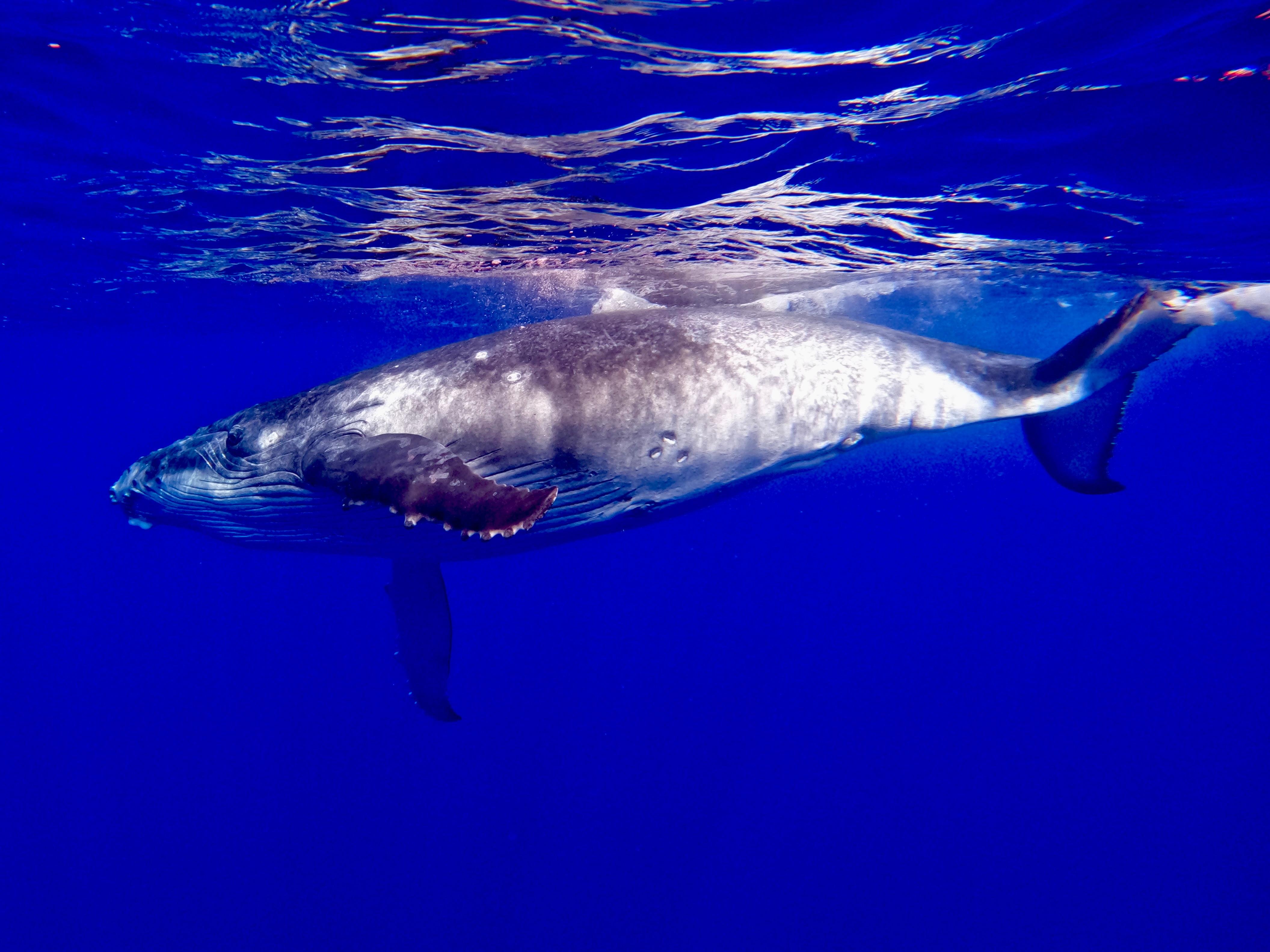
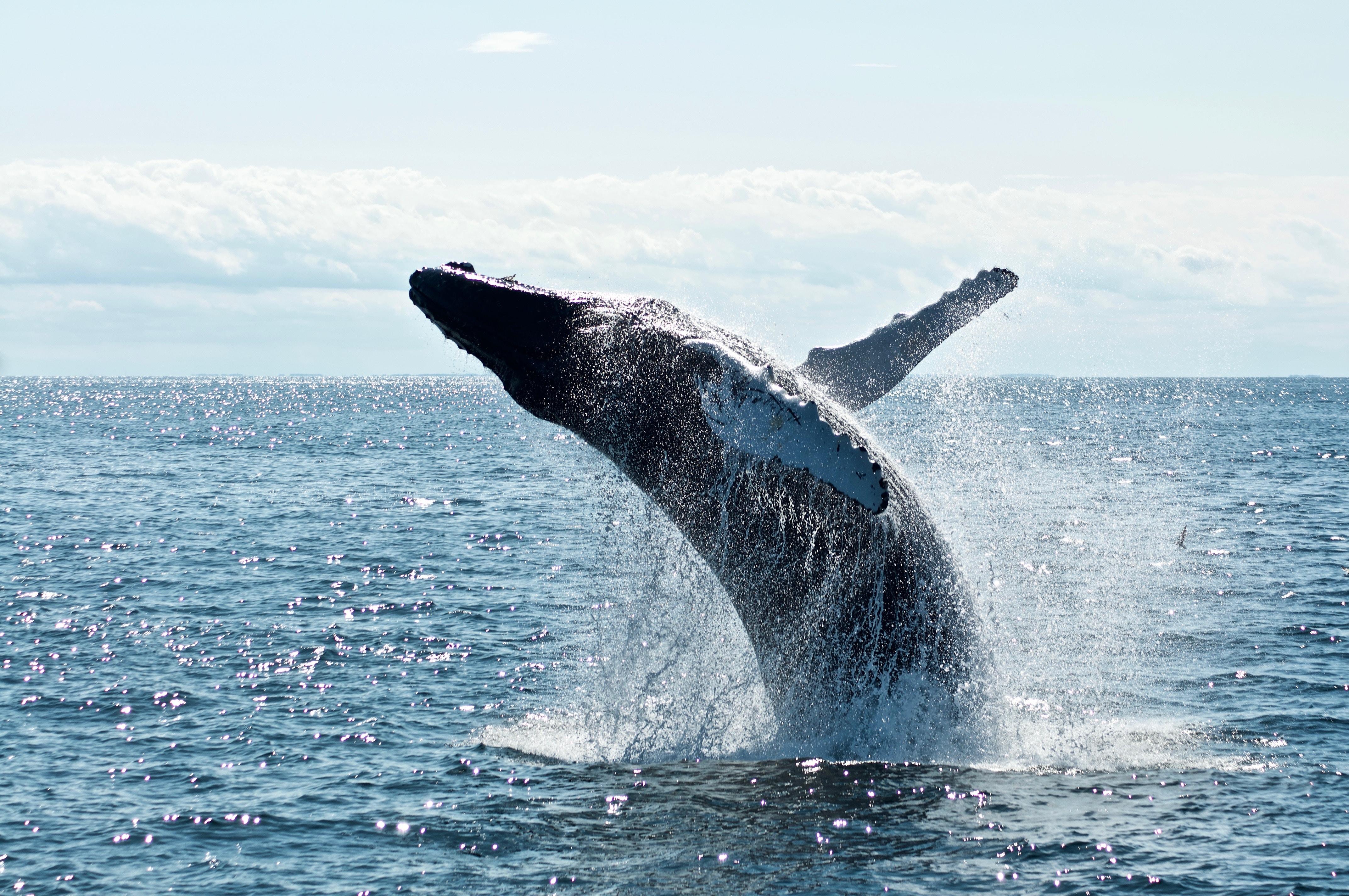
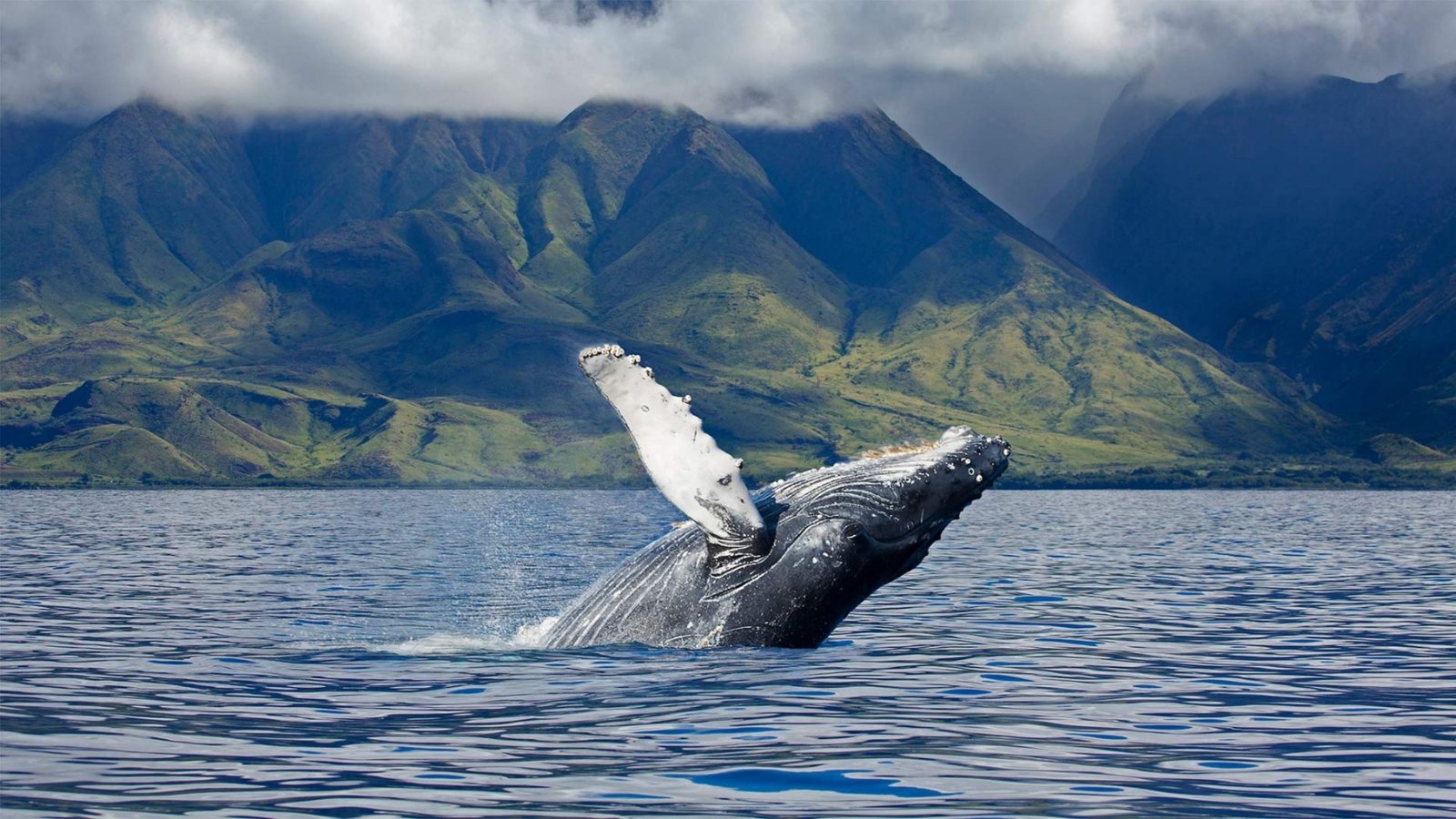
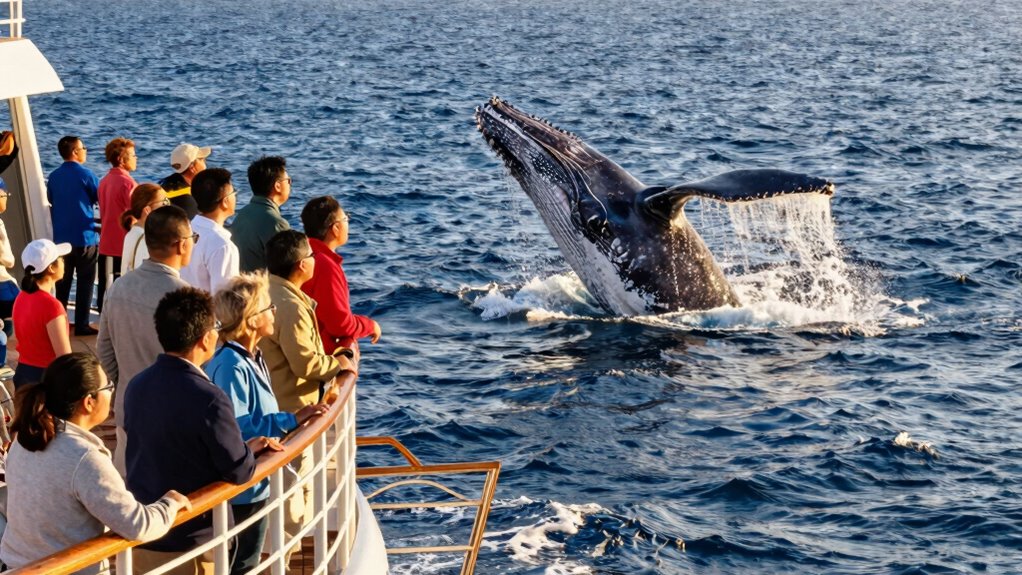
Witness the annual trek of humpback whales which arrive in Hawaiian waters to breed and give birth between December and April. Numbers in the thousands make this one of the most significant marine events in the Pacific.
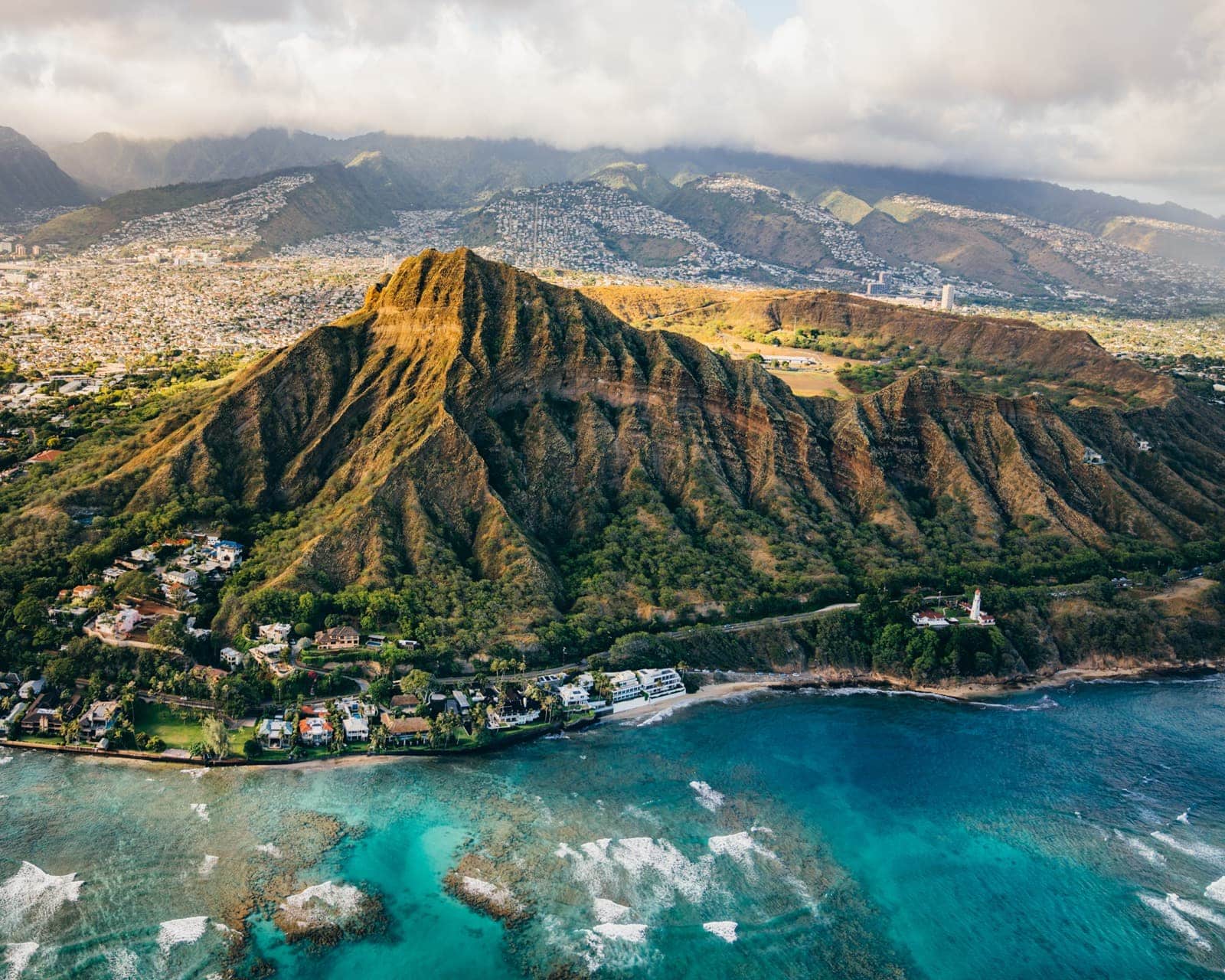
The volcanic tuff cone offers a dramatic backdrop for photography during your morning or afternoon sail. It is one of the most recognizable landmarks on the southern coastline.
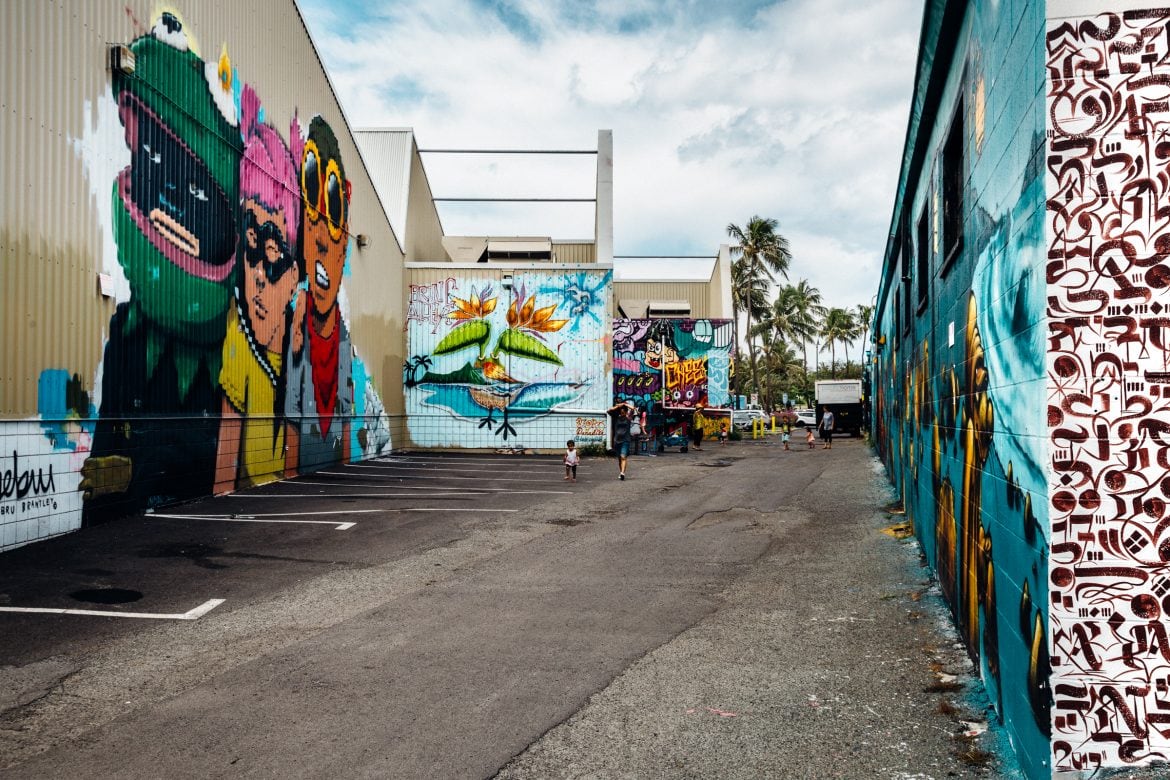
Located in the urban heart of Honolulu, this area provides a vibrant mix of industrial history and modern murals near the harbor. The neighborhood is a hub for local culture and dining.
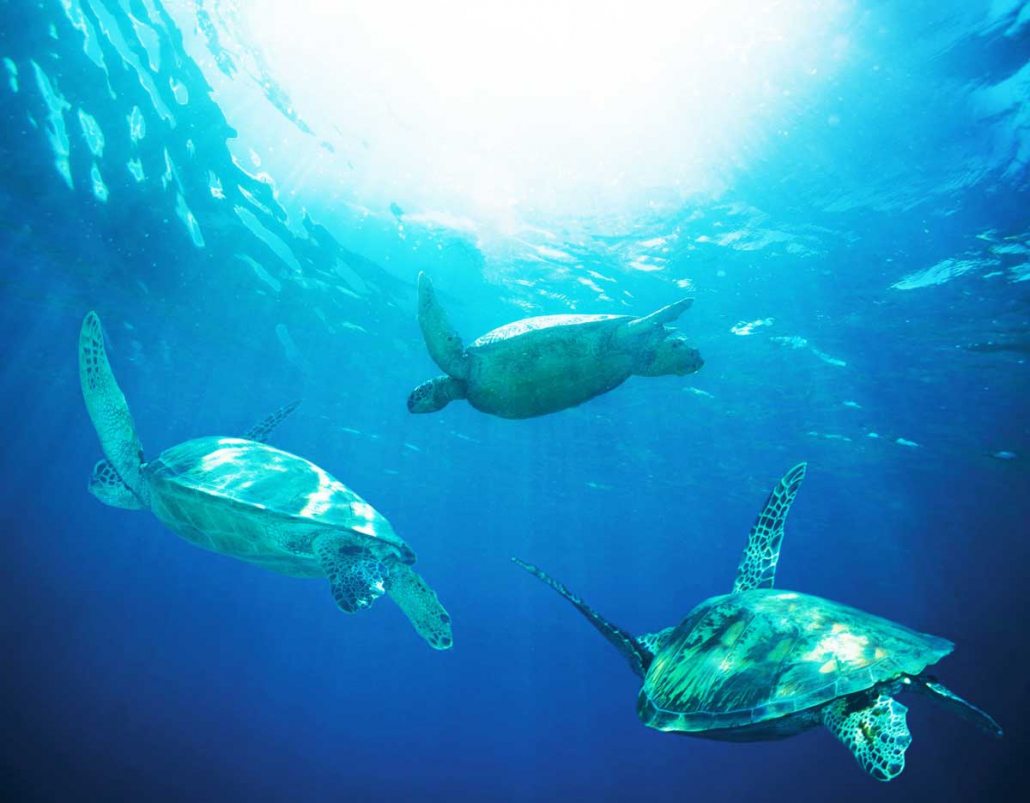
Educational commentary from naturalists provides context on the diverse marine life found in the Pacific. You may spot dolphins, sea turtles, and various seabirds during your transit.
Many of the larger boats departing from the harbor feature multi-level decks for optimal viewing angles. These platforms help passengers spot spouts and tail slaps from a distance.
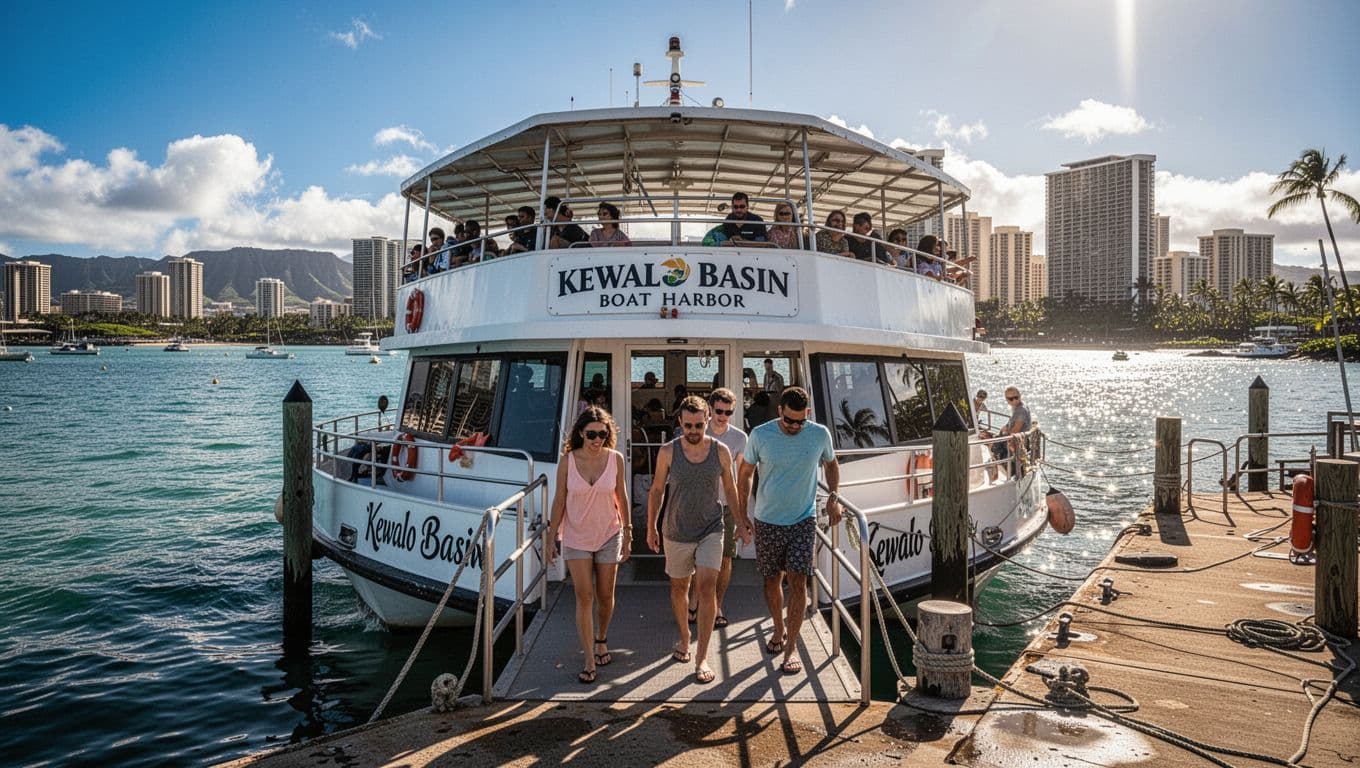
You board at Kewalo Basin Harbor shortly after sunrise, stepping onto a 50-foot catamaran as deckhands secure dock lines. The vessel clears the harbor breakwater by 7:30, turning southwest past the Honolulu skyline.
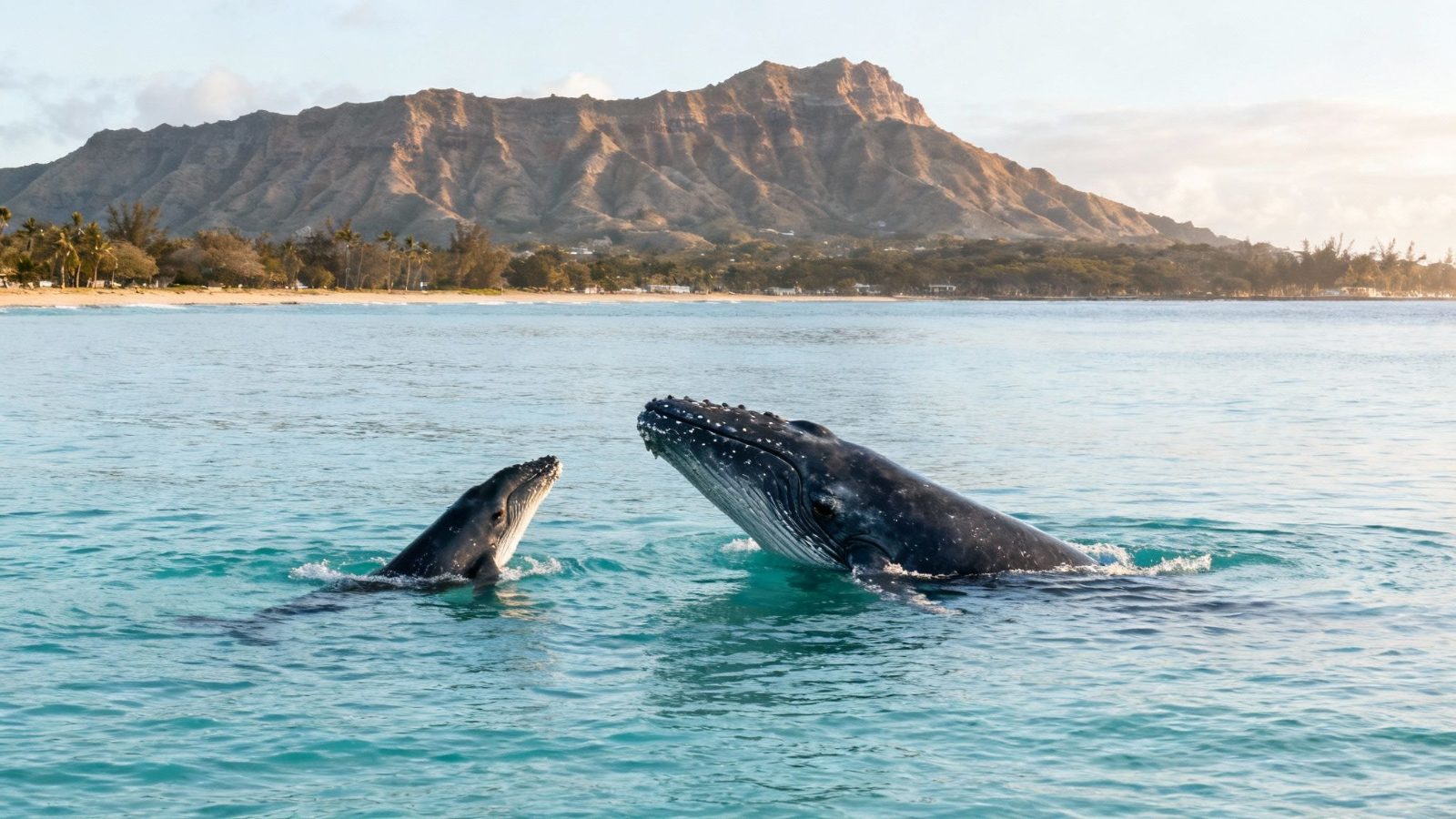
Diamond Head's crater slopes drop into view off the starboard rail as the captain announces the first whale sighting: a single blow column rising 15 feet above the surface, two miles offshore.
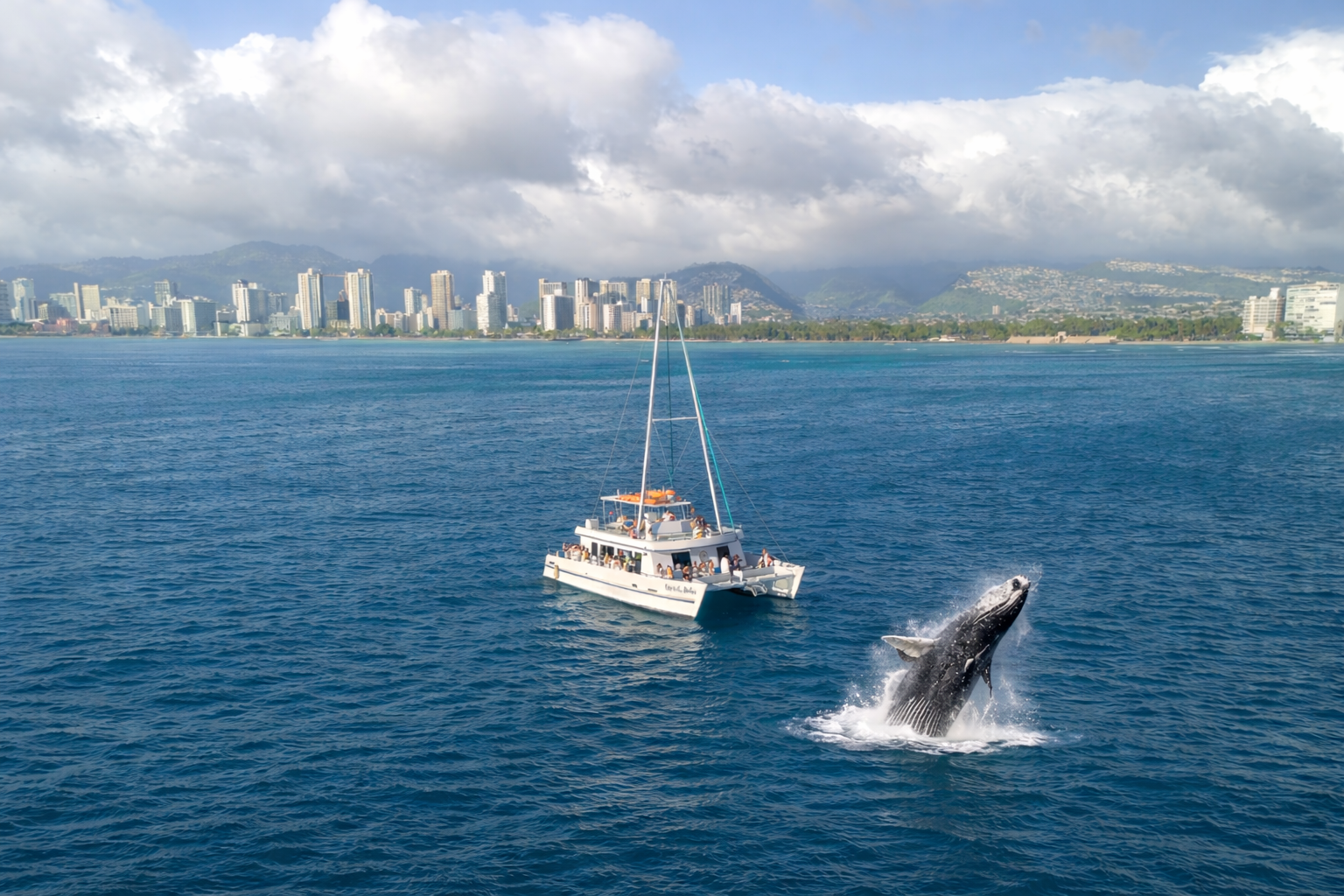
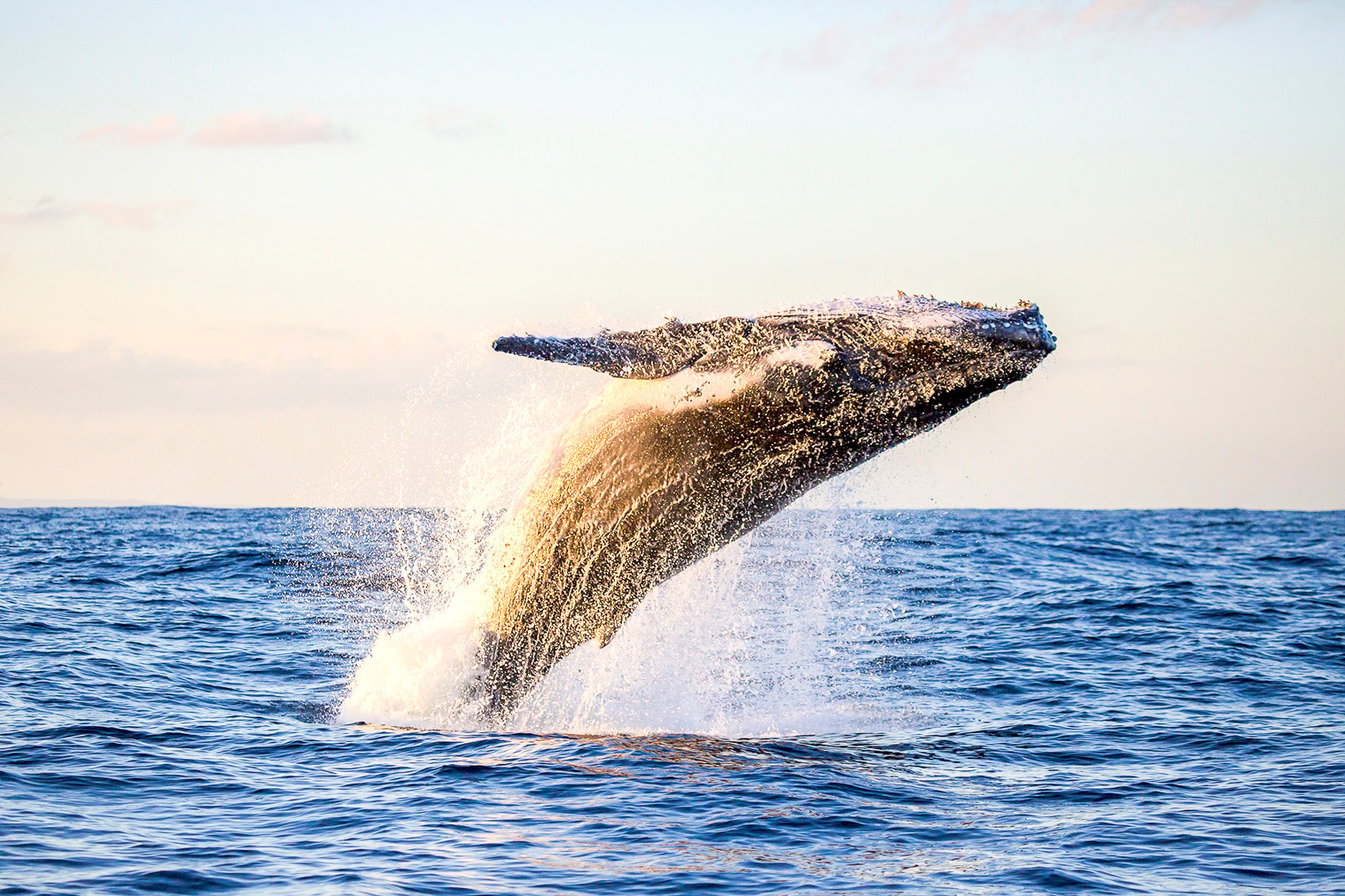
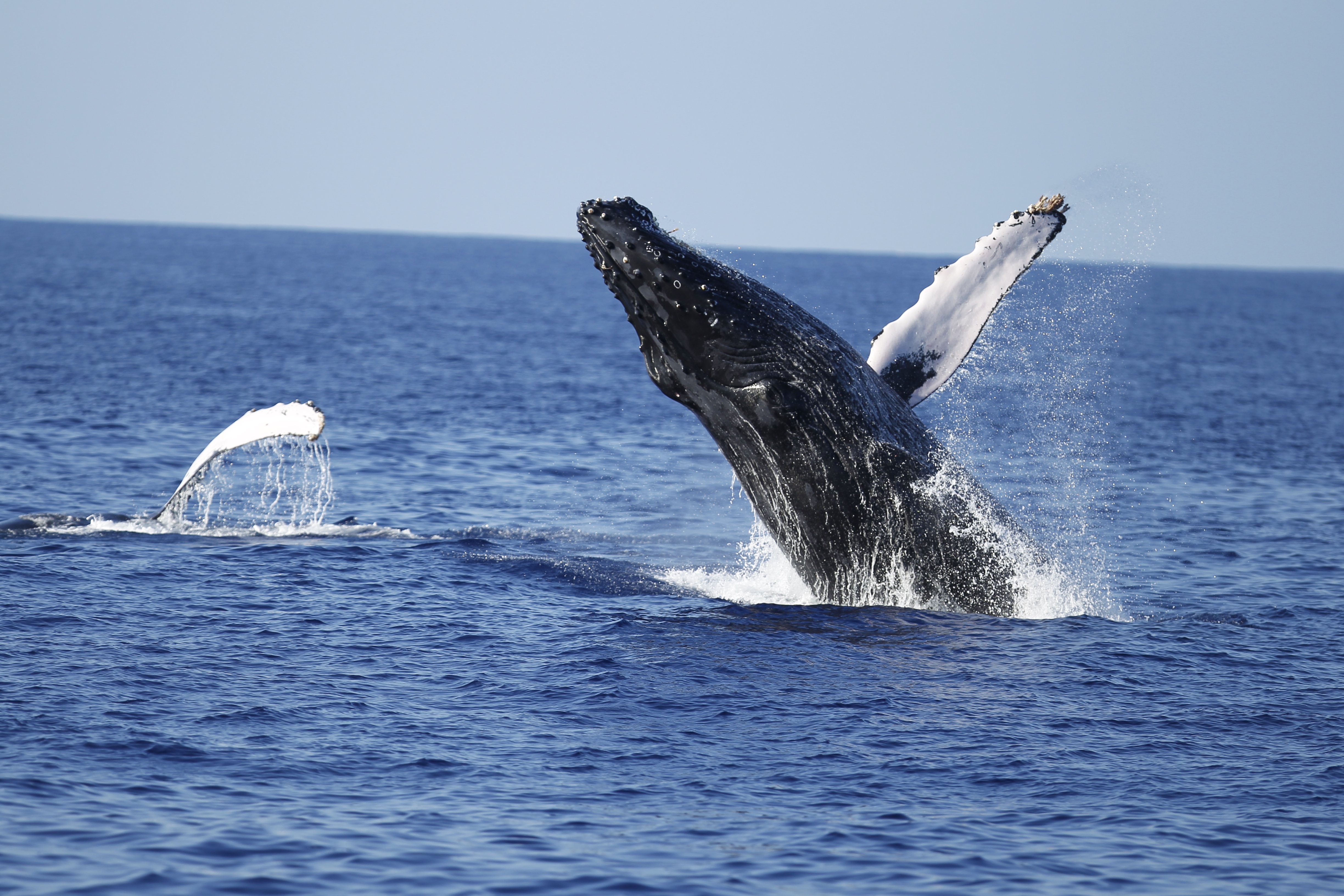
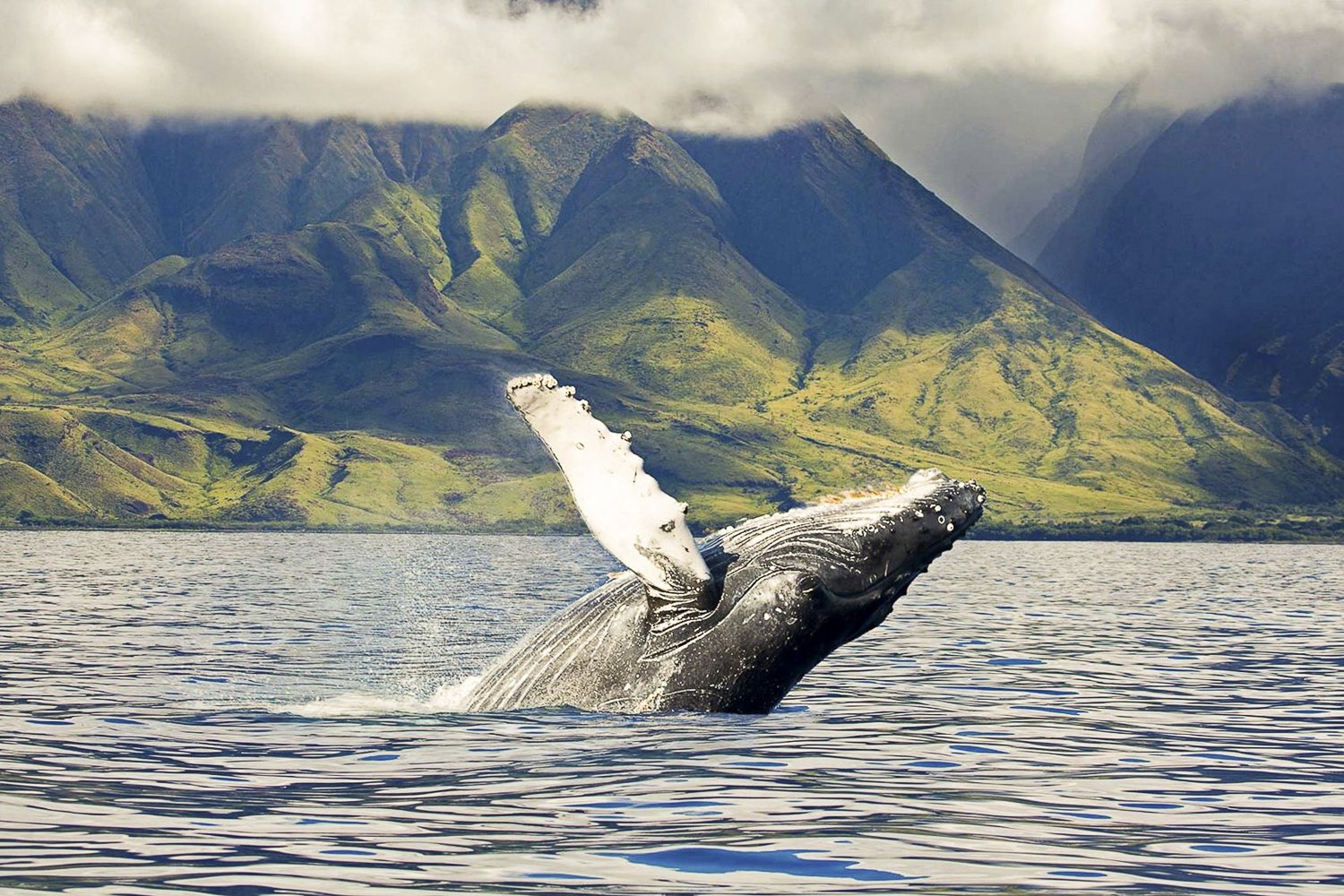
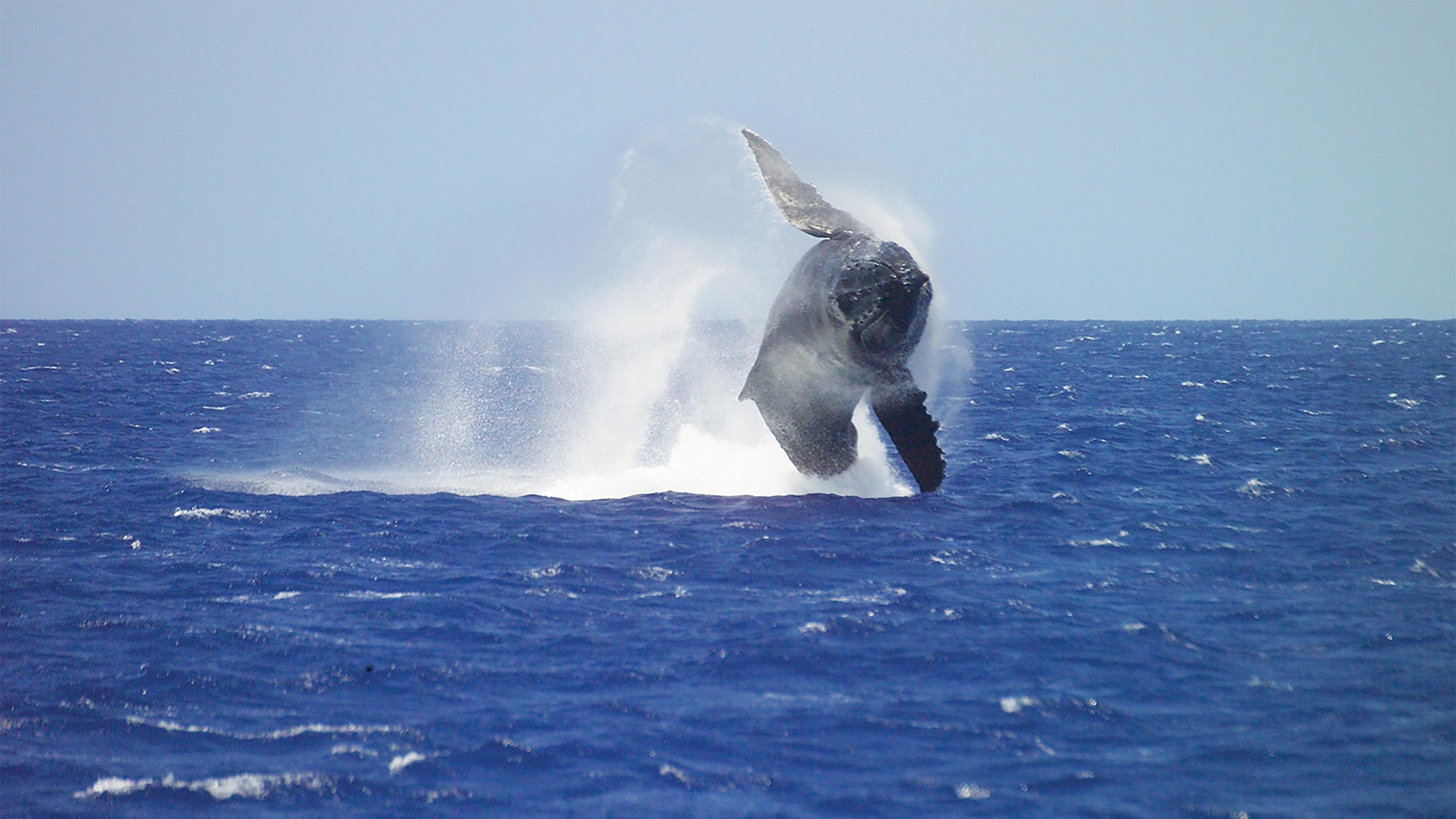
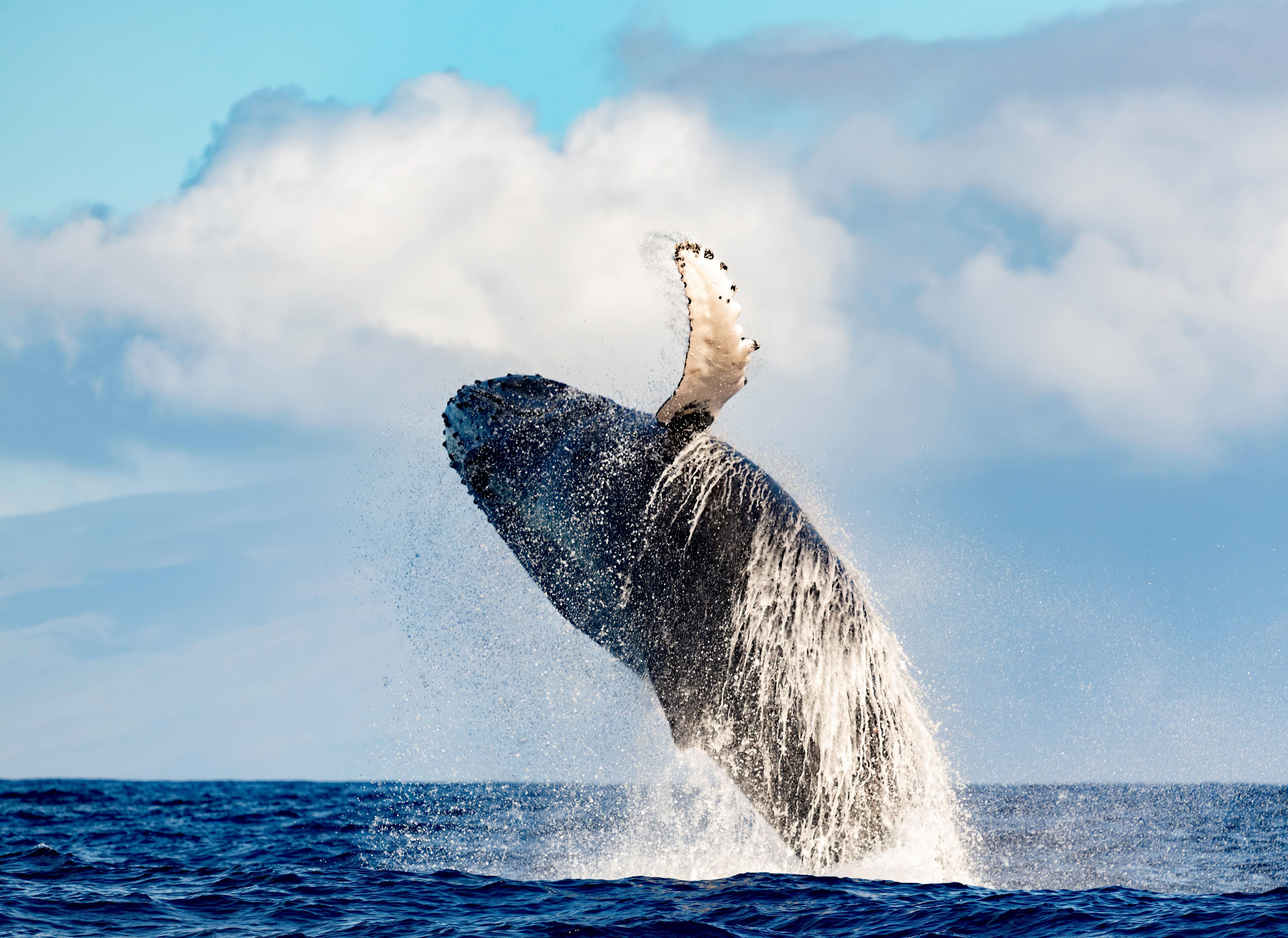
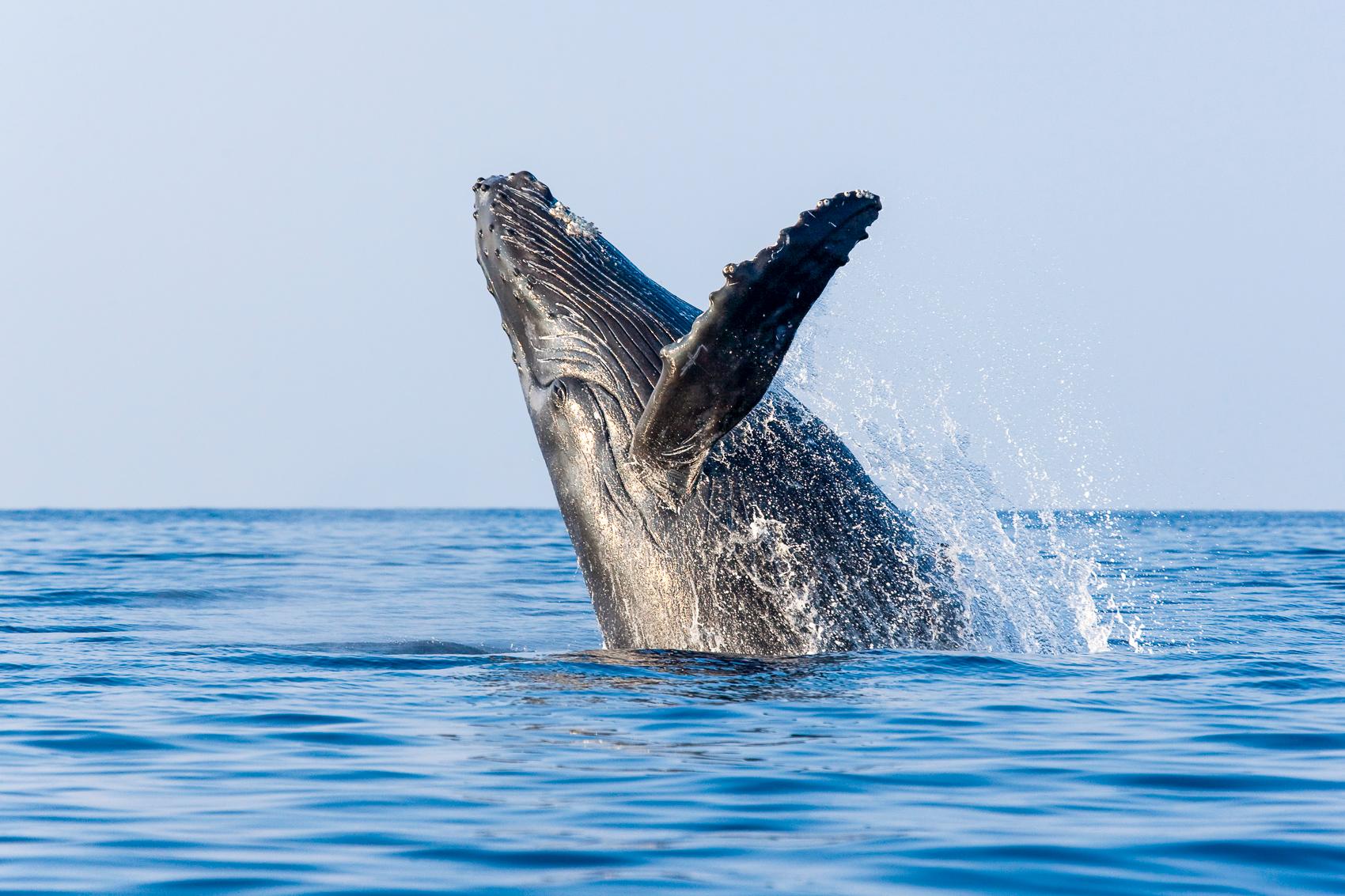
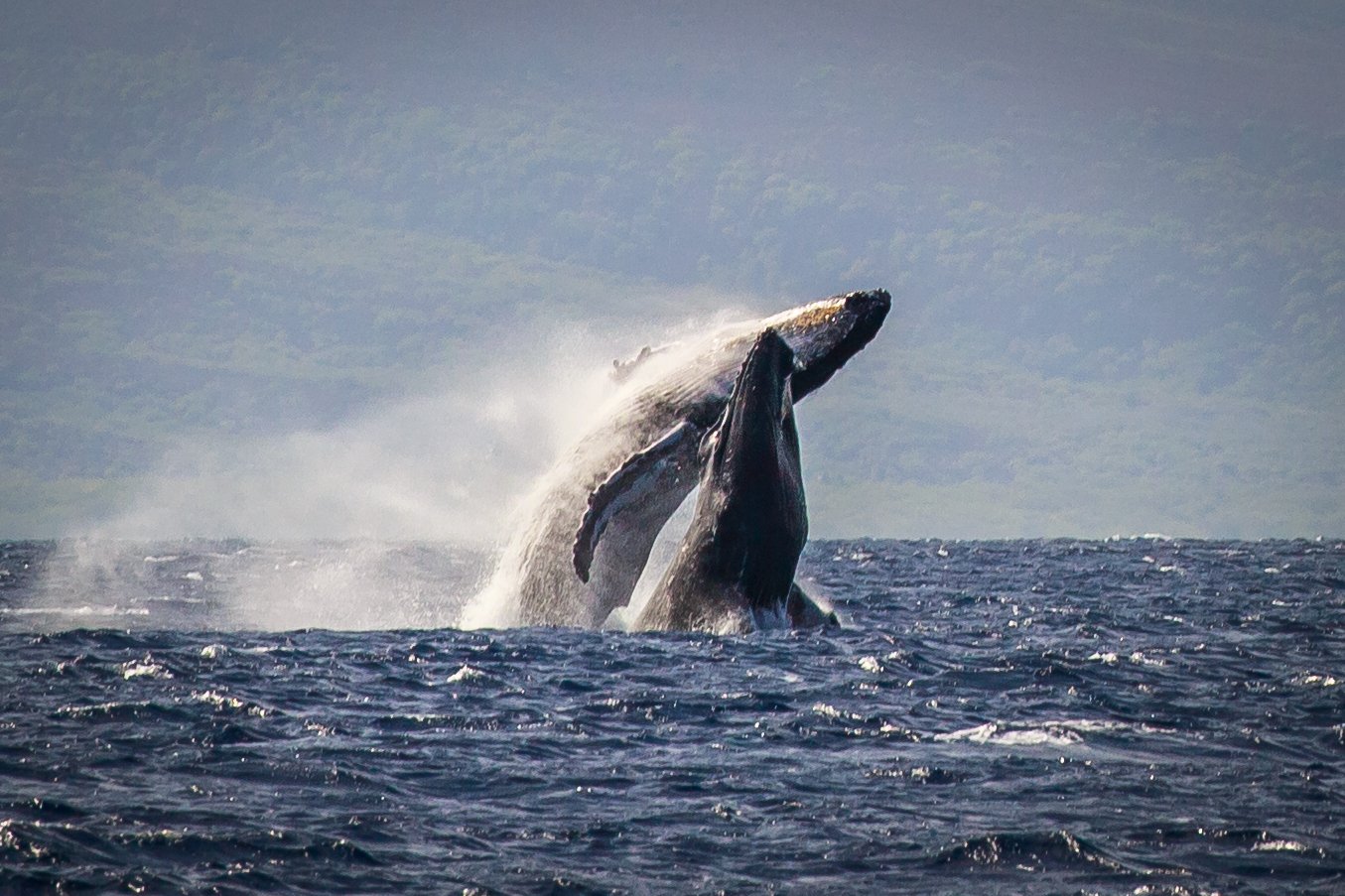
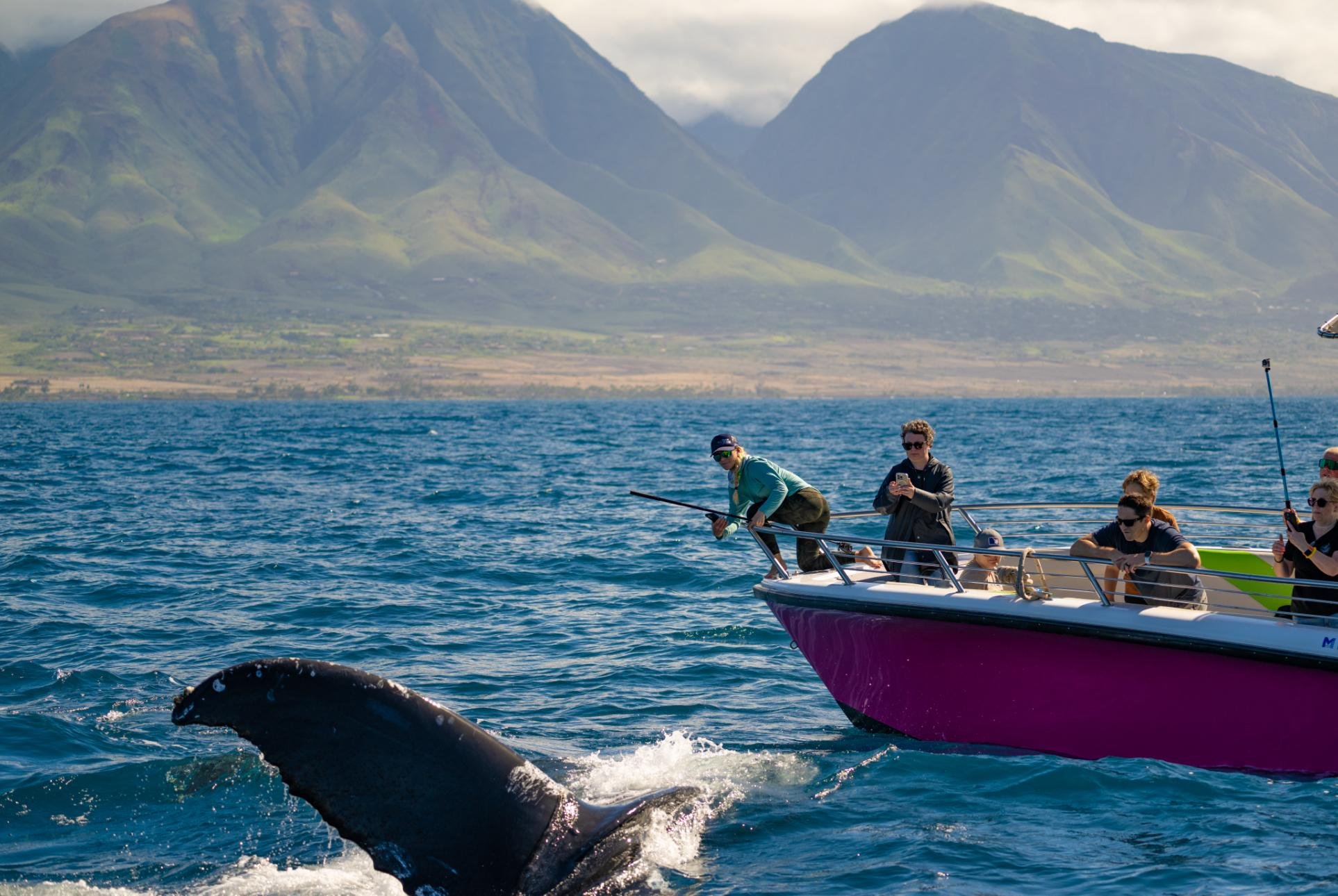
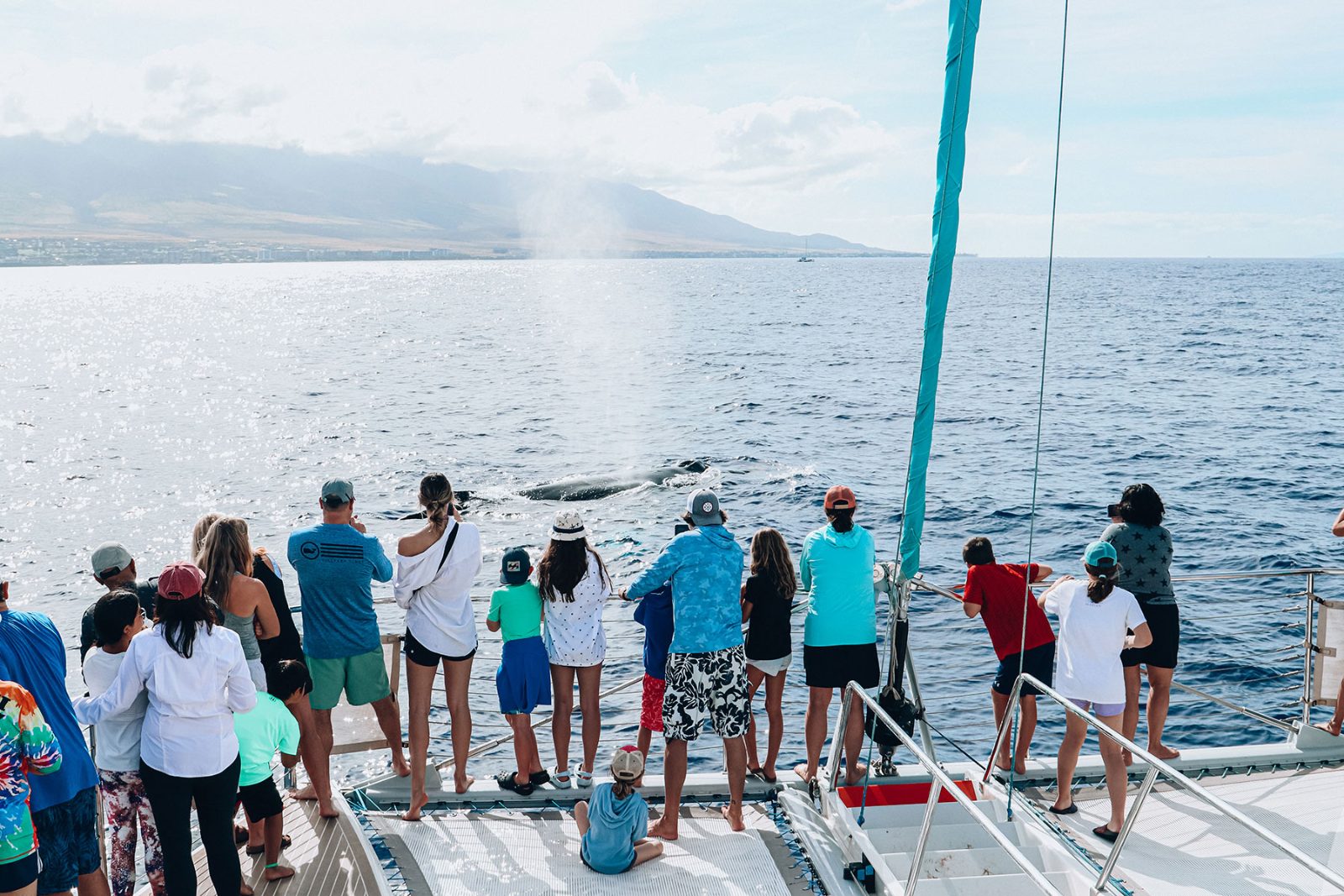
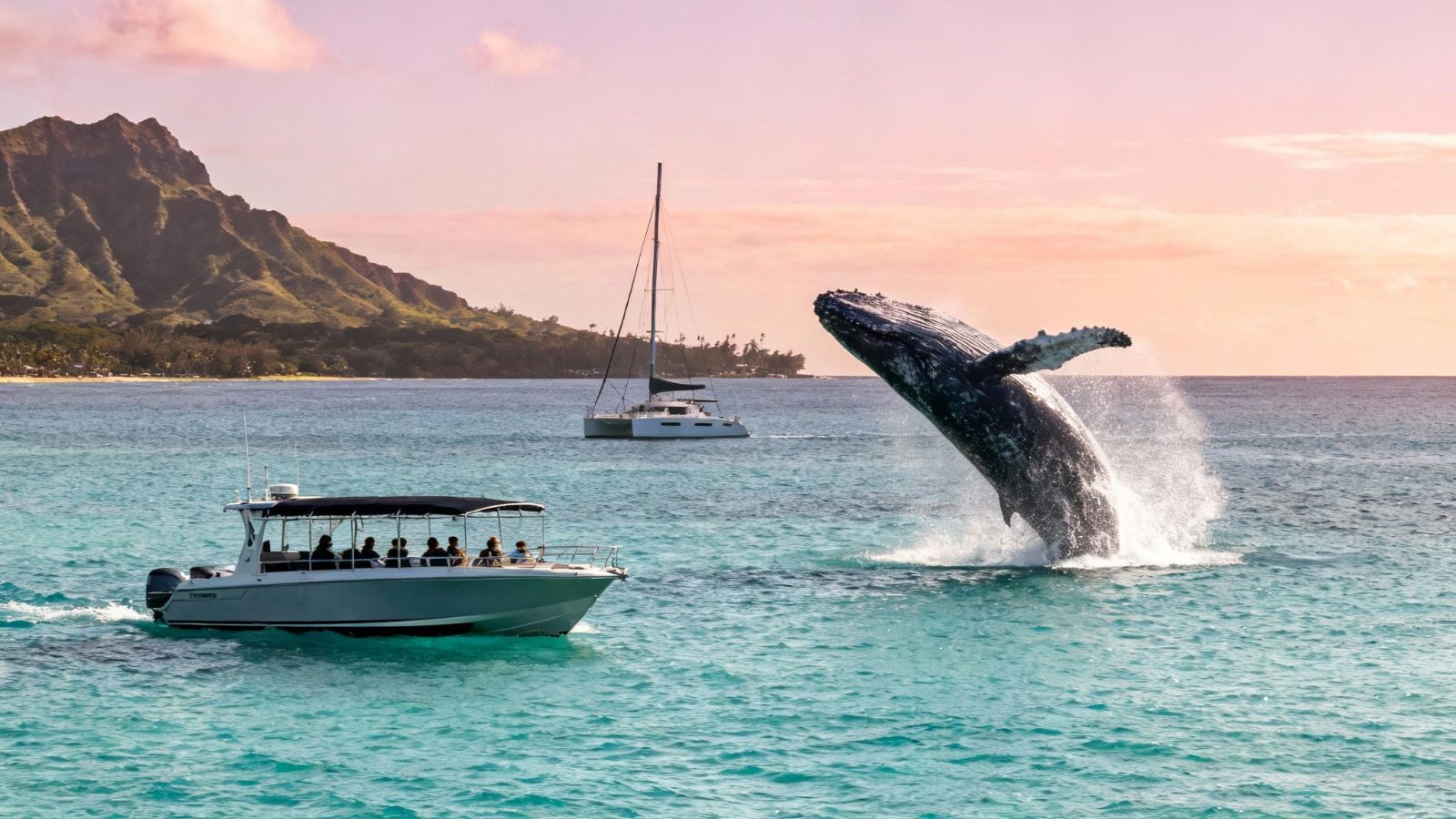
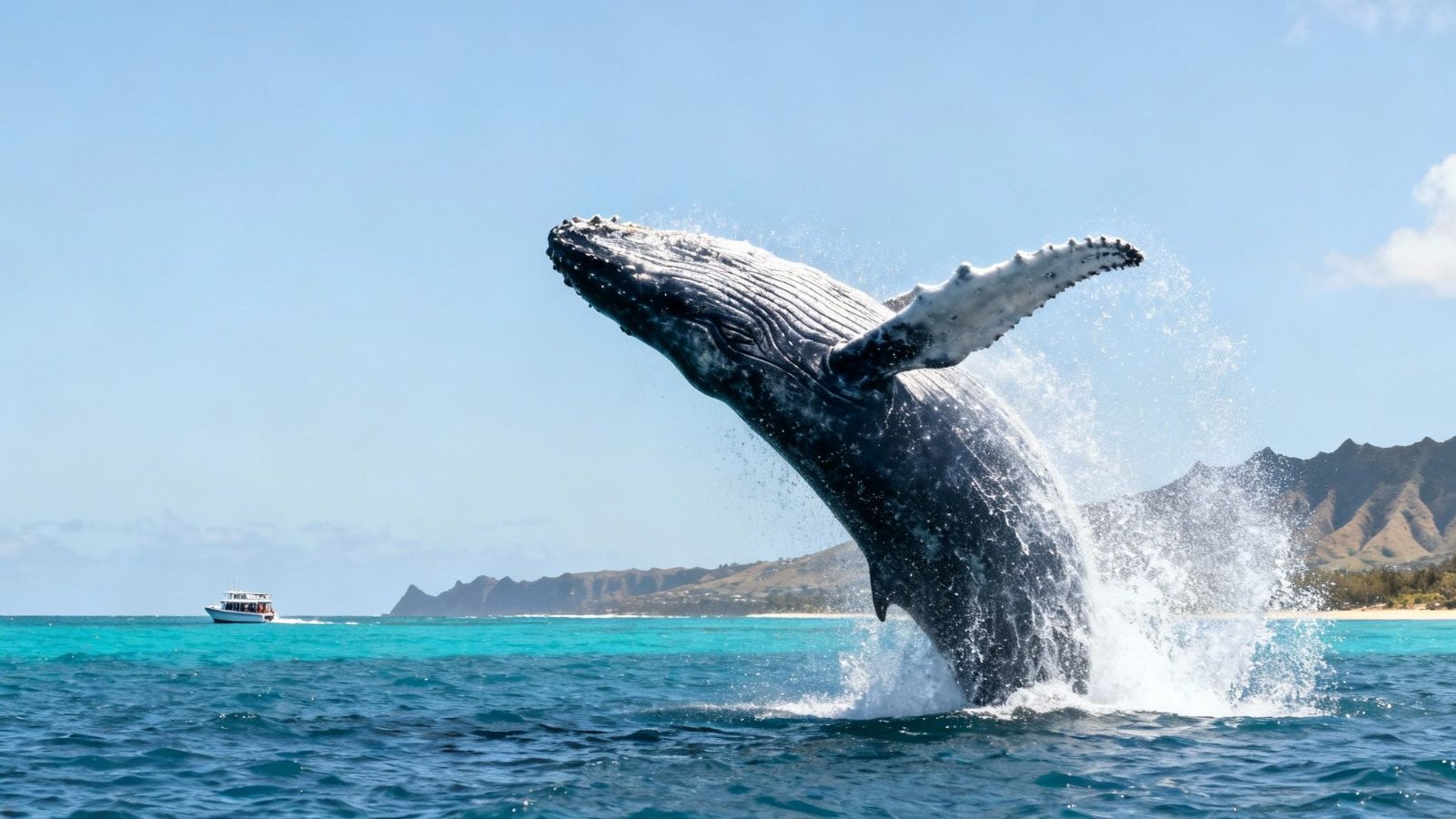
The engines throttle back to idle. A humpback surfaces 200 yards ahead, its dorsal fin breaking the waterline before the tail flukes lift vertically and disappear. You move to the bow as a second whale breaches completely clear of the ocean, rotating midair before crashing back with a sound that carries across the water. The onboard naturalist lowers a hydrophone over the rail, and whale song fills the cabin speakers—low-frequency moans and high whistles that shift in pitch and rhythm.
You spend 90 minutes tracking a mother-calf pair as they surface at irregular intervals, the juvenile staying within body-length distance of the adult. The boat repositions three times to maintain legal separation while keeping the whales in sight. By 9:15 the wind picks up and the captain turns back toward Kewalo Basin, arriving at the dock before mid-morning heat settles over the harbor.
All the details about your upcoming adventure in one place
Every winter, roughly 10,000 North Pacific humpback whales migrate 3,000 miles from Alaskan feeding grounds to the warm, shallow waters surrounding the Hawaiian Islands to mate, calve, and nurse.
Oahu's south and west coasts become staging grounds for one of the planet's most predictable large-mammal gatherings, with peak activity concentrated between late December and early April. The Hawaiian Islands Humpback Whale National Marine Sanctuary, established in 1992, protects 1,400 square miles of ocean habitat critical to the species' recovery from commercial whaling that reduced the population to fewer than 1,400 individuals by the 1960s. Today the population exceeds 20,000.
Kewalo Basin Harbor in Honolulu serves as the primary departure point for Oahu whale watching cruises. Vessels transit south past Diamond Head or west toward the Waianae Coast, where depth transitions from shallow reefs to open ocean create ideal conditions for whale activity. Males perform elaborate song sequences audible through boat hulls, while females with newborn calves remain in protected bays. Breaching, tail slaps, and pectoral fin displays occur frequently within 500 yards of tour boats, though federal law mandates a 100-yard minimum distance. Hydrophones allow passengers to hear whale vocalizations in real time.
Operators launch catamarans, sailing vessels, and specialty boats equipped with underwater viewing windows. Morning departures between 7:00 and 10:00 capitalize on calmer seas and higher visibility before trade winds strengthen. The Waikiki coastline offers shorter transit times to whale zones, while longer excursions venture toward the Waianae Range's leeward side, where whale density increases and swell height drops. Certified marine naturalists aboard most cruises provide species identification, behavioral interpretation, and migration ecology briefings. Some tours incorporate traditional Hawaiian protocols, including oli chants and pule blessings, recognizing the humpback whale's status as an aumakua, or ancestral guardian spirit, in Native Hawaiian cosmology.
Hawaii whale watching Oahu excursions operate under strict National Oceanic and Atmospheric Administration guidelines prohibiting pursuit, encirclement, or interference with whale behavior. Sightings cannot be guaranteed, though encounter rates during peak season exceed 95 percent on most days. The species' predictable return each winter makes Oahu one of the Northern Hemisphere's most reliable cetacean observation platforms.

Roughly 10,000 North Pacific humpback whales migrate 3,000 miles from Alaskan waters to Hawaiian breeding grounds each winter.
Wear comfortable clothing, non-slip footwear, and consider light layers as ocean breezes can be cool. Many operators suggest footwear that is easily removable for barefoot-friendly sailing.
Keep personal bags compact. Security procedures vary by boat, so check with your specific operator regarding allowed carry-on sizes.
Photography is encouraged, though you should protect your equipment from sea spray. Bringing a camera with a zoom lens is recommended for capturing distant breaches.
Tours are family-friendly, though minimum age requirements may apply for specific vessels. Children must be supervised at all times near the docks and on the water.
Vessel access varies by company; some provide easier boarding than others. Contact your hawaii whale watching oahu tour provider in advance to confirm wheelchair or mobility assistance.
Most operators permit guests to bring personal food and beverages. Glass containers are generally prohibited on board for safety reasons.
Opening Hours
00:00–23:59
Address
Kewalo Basin Harbor, Honolulu, HI 96813
Accessibility
Varies by boat operator; call ahead
Arrival
07:00–10:00
Storage
Not available at the harbor
Getting there
Accessible via taxi, bus, or ride-share
Commercial tour operators typically require cancellation at least 24 hours prior to departure for a full refund. Whale watching requires booking a commercial boat tour, and entrance to the harbor is 0 USD.
Recommended time
3-4 hours
Most hawaii whale watching oahu excursions last between three to four hours, accounting for harbor departure and marine transit. We recommend booking your hawaii whale watching oahu tours within the 07:00–10:00 window to ensure calm sea conditions for spotting humpback whales. While the marina at Kewalo Basin Harbor remains accessible all day, afternoon winds often increase, making morning hawaii whale watching oahu tickets the priority for a stable experience on the water.
Crowd levels through the day
Commercial whale watching arrived in Hawaiian waters during the early 1970s, when marine biologists and local boat operators recognized the predictable return of North Pacific humpback whales to the archipelago each winter. The first documented tour departed from Lahaina Harbor on Maui in 1975, organized by researchers who charged passengers to help fund cetacean studies. Within three years, similar operations launched from Oahu's Kewalo Basin Harbor, capitalizing on Honolulu's larger visitor base and direct access to humpback migratory corridors between Oahu and Molokai. Federal protection reshaped the industry in 1992 when Congress established the Hawaiian Islands Humpback Whale National Marine Sanctuary, imposing approach distances and idle-zone regulations that forced operators to adopt passive observation protocols. The 100-yard minimum distance rule—later tightened to 300 yards in 1997—eliminated close encounters that early tours had advertised, triggering a wave of bankruptcies among smaller Oahu outfitters. Surviving operators adapted by emphasizing hydrophone technology and naturalist interpretation, shifting marketing from proximity to education. By 2004, hawaii whale watching oahu tours had standardized around three-hour morning departures, aligning schedules with humpback surface activity patterns documented in peer-reviewed feeding studies. The 2010s brought two pivotal shifts. First, climate-driven changes in prey distribution altered arrival timing; whales that historically appeared off Oahu in mid-November began arriving as late as early December, forcing operators to extend shoulder-season cancellations. Second, the rise of citizen-science platforms like Happywhale transformed passengers into data contributors, with tour companies submitting fluke photographs to global identification databases. Today's hawaii whale watching oahu operations depart year-round from Kewalo Basin, though December through April remains peak season when North Pacific humpbacks concentrate in shallow coastal waters for calving and nursing.
First commercial whale-watch tour departs Lahaina Harbor, Maui, pairing ecotourism with marine research funding.
Oahu operators launch competing services from Kewalo Basin, targeting Honolulu's established tourist infrastructure.
Hawaiian Islands Humpback Whale National Marine Sanctuary established, mandating 100-yard vessel approach limits.
Federal regulations tighten minimum distance to 300 yards, eliminating close-encounter marketing and forcing industry consolidation.
Morning departure standard emerges across Oahu fleets, synchronized with documented humpback surface-activity peaks.
Climate-linked prey shifts delay seasonal humpback arrivals by two to three weeks, disrupting traditional November launch dates.
Citizen-science integration begins; tour operators contribute fluke photographs to Happywhale global humpback identification database.
Stand near the edge of the harbor to capture the departure of marine vessels against the backdrop of the Honolulu skyline. This serves as the primary gateway for those pursuing a hawaii whale watching oahu experience.
Planning a hawaii whale watching oahu excursion requires careful preparation to ensure comfort for younger travelers on the open ocean. Observing marine mammals in their natural habitat can be a highlight for families, provided you select the right vessel for your group.
Consult your pediatrician regarding over-the-counter motion sickness remedies and administer them before boarding hawaii whale watching oahu tours. Choose larger vessels with stabilized hulls to minimize motion for children who are sensitive to uneven water conditions.
Verify that your chosen hawaii whale watching oahu tour provides USCG-approved life vests in child-specific sizes for all minors on board. Most commercial operators mandate that children wear these devices while the vessel is in motion or upon captain instruction.
Opt for catamarans or larger sightseeing boats which offer more deck space and enclosed cabins compared to smaller zodiac-style rafts. These platforms provide better stability and access to restrooms when booking hawaii whale watching oahu tickets for families.
Dress children in light layers as ocean breezes can be cool, and ensure they wear high-SPF sunscreen to protect against reflective glare from the water. Bringing polarized sunglasses helps kids spot fins and breaching patterns more easily during the outing.
Visitors planning a hawaii whale watching oahu excursion will find few dining options directly on the pier, though a short walk to the Kaka'ako district provides access to diverse eateries. Secure your hawaii whale watching oahu tickets early, then enjoy a meal at the nearby urban retail complex or harbor-adjacent cafes before your maritime mammal excursion.
Located in Salt at Our Kaka'ako, this venue features farm-to-table cuisine and is ideal for groups. It offers a robust drink menu and wood-fired pizzas perfect for a post-cruise meal.;Highway Inn
Everything you need to know for your journey
Kewalo Basin Harbor is accessible 24 hours a day, though individual tour departure times are set by operators. Always verify your specific boat's schedule.
Yes, hawaii whale watching oahu tours are generally family-friendly, though you should check the minimum age requirements of your chosen operator.
Yes, you can purchase hawaii whale watching oahu tickets through official operator websites or authorized third-party vendors.
The best arrival window is 07:00–10:00, when morning hours typically offer the calmest seas and best visibility for spotting whales.
Entry to the harbor is 0 USD; however, viewing whales from a boat requires booking a commercial hawaii whale watching oahu tour.
Many operators offer a 'whale sighting guarantee' where you can re-book another trip for free if none are seen, though policies vary by provider.
Yes, most hawaii whale watching oahu boat tours allow guests to bring their own food and non-glass beverages.
You can reach Kewalo Basin Harbor via taxi, ride-share, or public bus from Waikiki, or utilize paid parking if you choose to drive.
Accessibility for a hawaii whale watching oahu tour varies significantly by vessel type, so contact your operator directly to discuss specific needs.
The peak season for hawaii whale watching oahu is typically December through March when humpback whales migrate to the islands.
Join thousands of happy travelers who have discovered this incredible experience
Book Your Experience Now