2 hr
Ma'alaea Harbor Whale Watching Power Catamaran Cruise
- Entry ticket
- Mobile voucher
- Valid same day
- Free cancellation
Hawaii Whale Watching Maui — Power Catamarans & Marine Naturalist Cruises
Humpback season meets volcanic coastline, migration routes charted by naturalists aboard.
Compare fares, pick the fit — all bookings are mobile-voucher and eligible for free cancellation where shown.
2 hr
2 hr
2 hr
Selecting the right hawaii whale watching maui tour depends on your preference for boat stability versus the intimacy of a smaller vessel. Visitors should consider these primary hawaii whale watching maui tickets to ensure the best vantage point for spotting humpback behavior in the Au'au Channel.
|
Top pick Large Catamaran Stable, multi-deck comfort |
Small Group Raft Intimate, eye-level adventure | |
|---|---|---|
| Duration | 2 hours | 2 hours |
| Vessel Type | Double-deck power catamaran | Luxury super raft |
| Amenities | Restrooms, shade, hydrophones | Hydrophones, shade |
| Group Size | Large public groups | Small, semi-private groups |
| Best for | Families and first-timers | Adventure seekers and photographers |
| See tickets & prices |
Verdict: Choose a large catamaran for maximum stability and onboard amenities, or book a small group raft tour for a more immersive and agile hawaii whale watching maui tour experience.
Worth it for marine life enthusiasts
Hawaii whale watching Maui tours deliver strong value when you consider what professional operators provide versus shore-based viewing. Most cruises departing from Ma'alaea Harbor between December and April charge $50–$90 per adult, covering 90–120 minutes on the water with marine naturalists who explain humpback whale behavior, migration patterns, and pod dynamics in real time. The investment pays off through proximity—vessels can approach within 100 yards under federal guidelines—and the crew's ability to track breaching, tail slaps, and pec slaps across multiple sightings per trip. Small-group whale watching tours cap capacity at 20–30 passengers, eliminating the crowding found on larger catamarans, while premium options add open bars and cushioned seating. The harbor's central west Maui location shortens transit time to prime feeding zones. For visitors prioritizing close encounters with marine mammals and expert interpretation over independent shore observation, hawaii whale watching maui tickets justify the expense.
Bottom line: If you're visiting during humpback season and value guided marine encounters, Maui whale watching tours offer proximity and expertise that shore viewing cannot match.
Boat tours provide superior proximity and expert guidance, whereas shore-based lookouts offer peaceful, self-paced observation of the Pacific humpback whales. Most visitors who experience both find the boat-based hawaii whale watching maui tours more exhilarating for deep-sea encounters.
|
Top pick Boat Tour |
Coastal Lookout | |
|---|---|---|
| Perspective | Mid-ocean mobility | Fixed land vantage point |
| Accessibility | Requires boat boarding | Public roadside access |
| Interaction Level | Close encounter proximity | Distance viewing only |
| Duration Flexibility | 1.5–3 hours fixed | Unlimited personal time |
| Opportunity for Marine Naturalist Education | Onboard narration included | Self-guided observation |
| Ocean Visibility | Panoramic sea level | High elevation land survey |
| See tickets & prices |
Verdict: While shore-based viewing allows for relaxed, budget-friendly sightseeing, booking hawaii whale watching maui tickets ensures a focused maritime adventure with professional marine naturalist insights.
Hand-picked experiences loved by thousands of travelers
2 hours
Free Cancellation
Join certified experts to observe humpback whales and listen to their songs via hydrophone
1.5 hours
Free Cancellation
90-minute ocean adventure with guaranteed sightings and underwater whale song listening experience
2 hours
Free Cancellation
Board a premium catamaran straight from Ka'anapali Beach to spot migrating humpback whales
3 hours
Free Cancellation
Paddle alongside humpback whales and snorkel with sea turtles on this guided ocean kayaking experience
2.5 hours
Free Cancellation
Witness humpback whales in their Hawaiian breeding grounds on a memorable 2.5-hour ocean adventure
2.5 hours
Free Cancellation
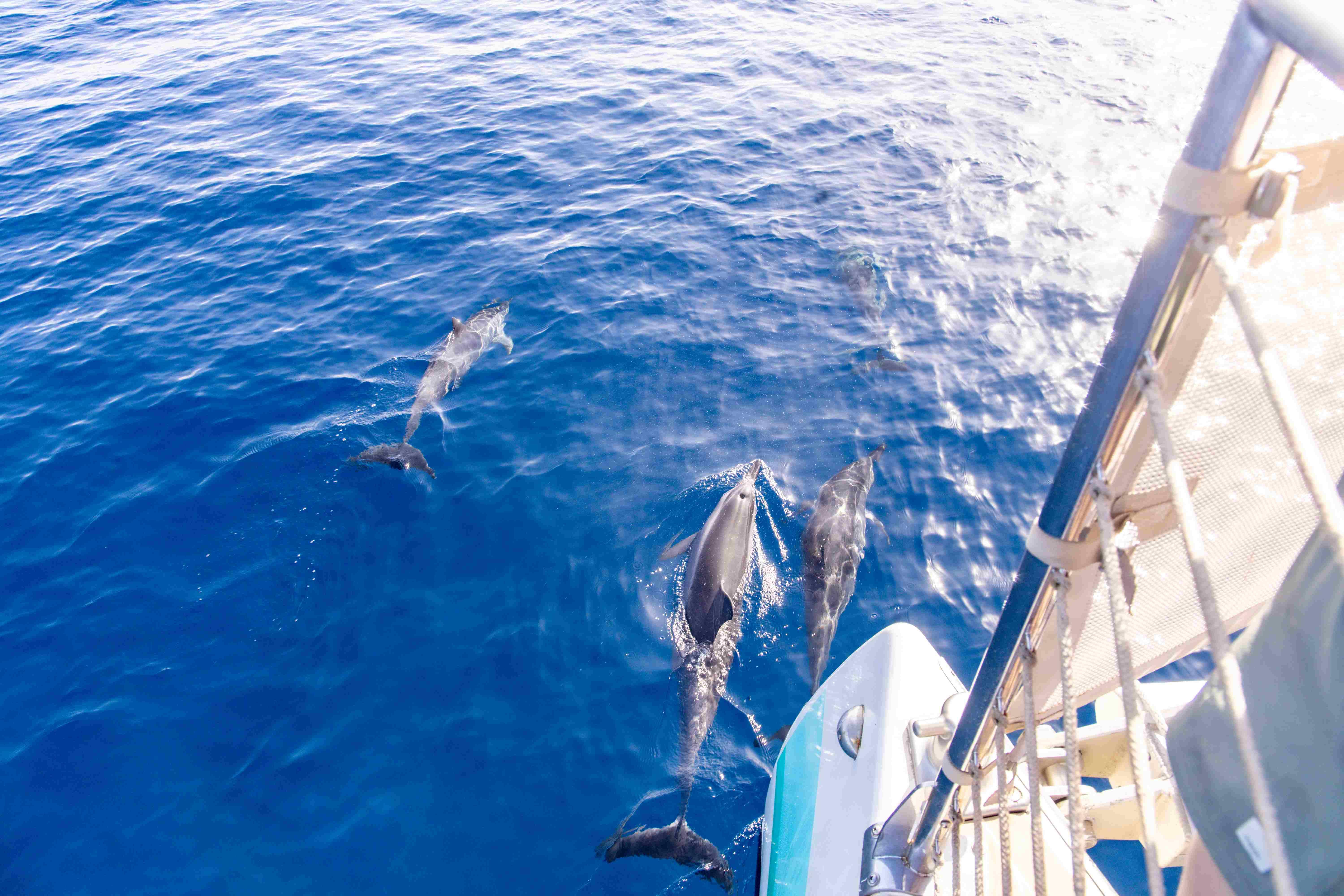
Spot wild dolphins on a luxury catamaran with complimentary drinks, local appetizers, and stunning coastal views
5 hours
Free Cancellation
Sail to Lanai's pristine waters for world-class snorkeling, dolphin encounters, and a freshly grilled feast
2 hours
Free Cancellation
Afternoon cruise from Wai'anae Harbor with guaranteed humpback sightings and premium bar service
Primary departure points for most marine excursions and whale watching vessels in central Maui. Guests gather here for boarding and safety briefings before heading out into the Auau Channel.
Renowned as one of the best locations in the world for viewing humpback whales during their winter migration. The channel’s protected waters offer unique opportunities for whale sightings
Located within the harbor, this station supports maritime safety for vessels operating in the region. It serves as a navigational landmark for arriving passengers.
Conveniently located transit points where passengers embark on their hawaii whale watching maui tours. These docks facilitate efficient boarding for various vessel sizes.
A convenient area adjacent to the docks featuring dining and retail options for visitors before or after their hawaii whale watching maui excursion.
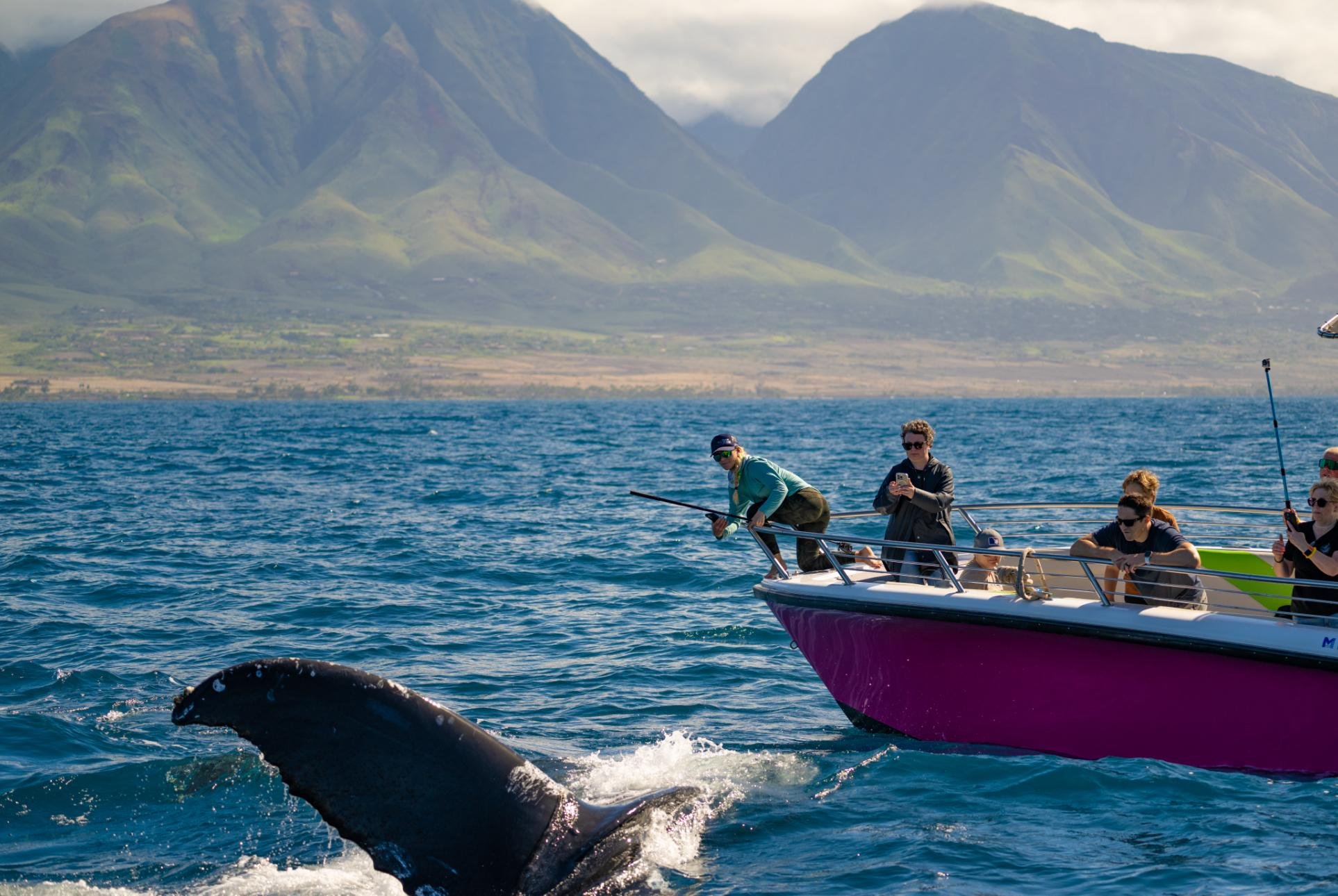
You arrive at Ma'alaea Harbor before sunrise, when trade winds lie dormant and the West Maui Mountains cast long shadows across the channel. The power catamaran's twin hulls provide stable footing as you board at Slip 62, securing a position along the bow rail before the 7 AM departure.
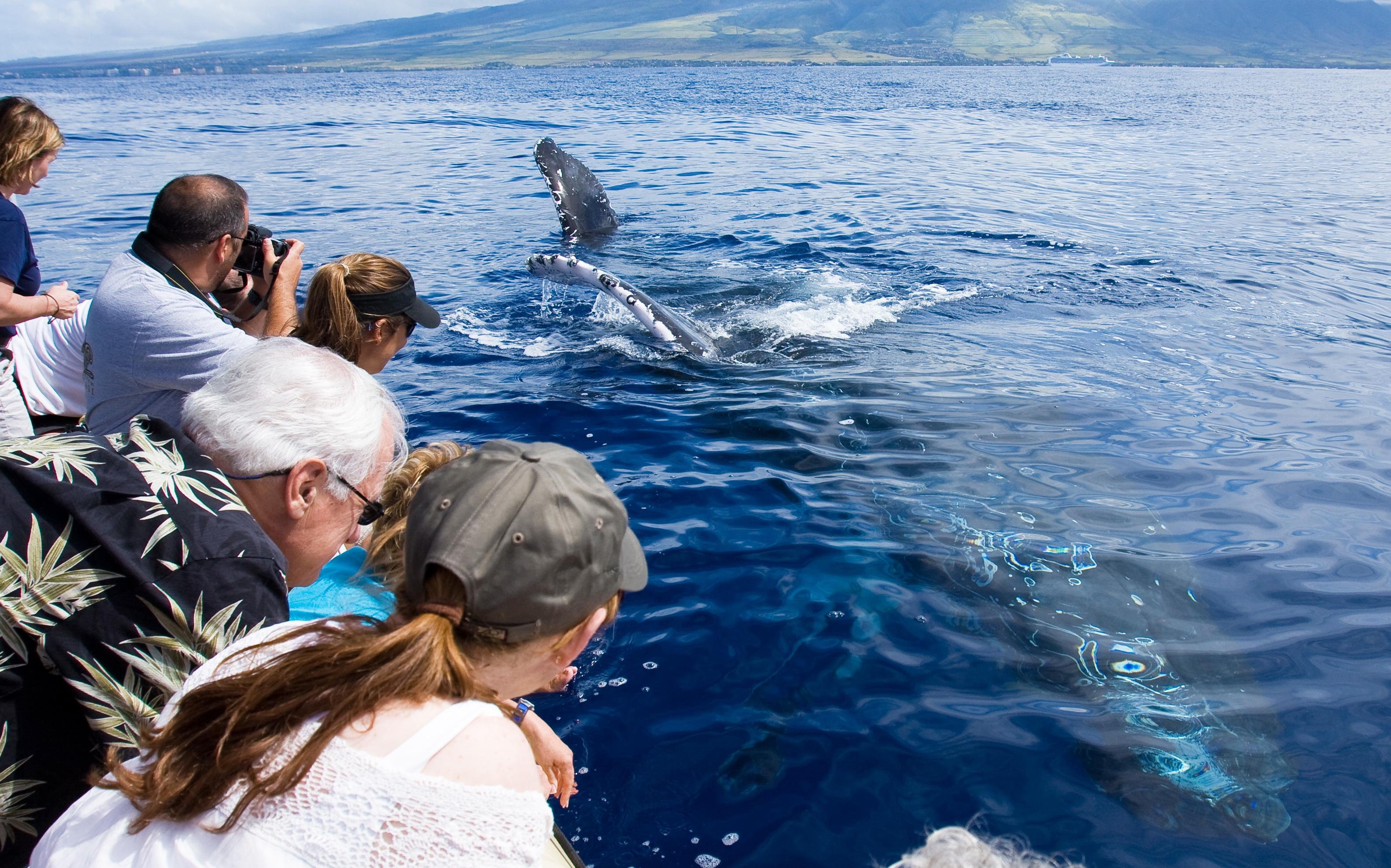
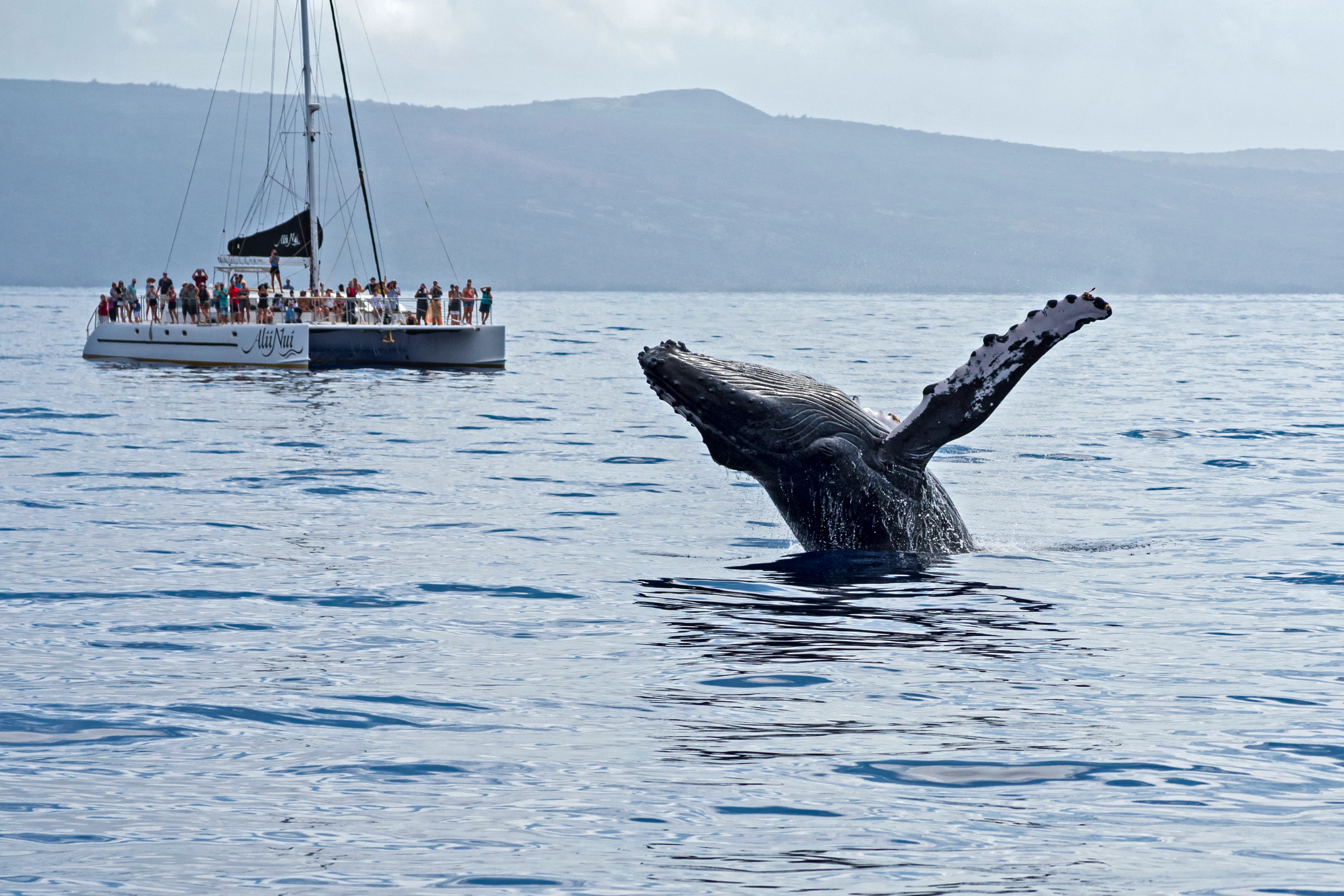
Your marine naturalist briefs the group on sanctuary regulations while the vessel clears the breakwater, then cuts the engines 400 yards offshore as a cow-calf pair surfaces 150 yards to starboard.
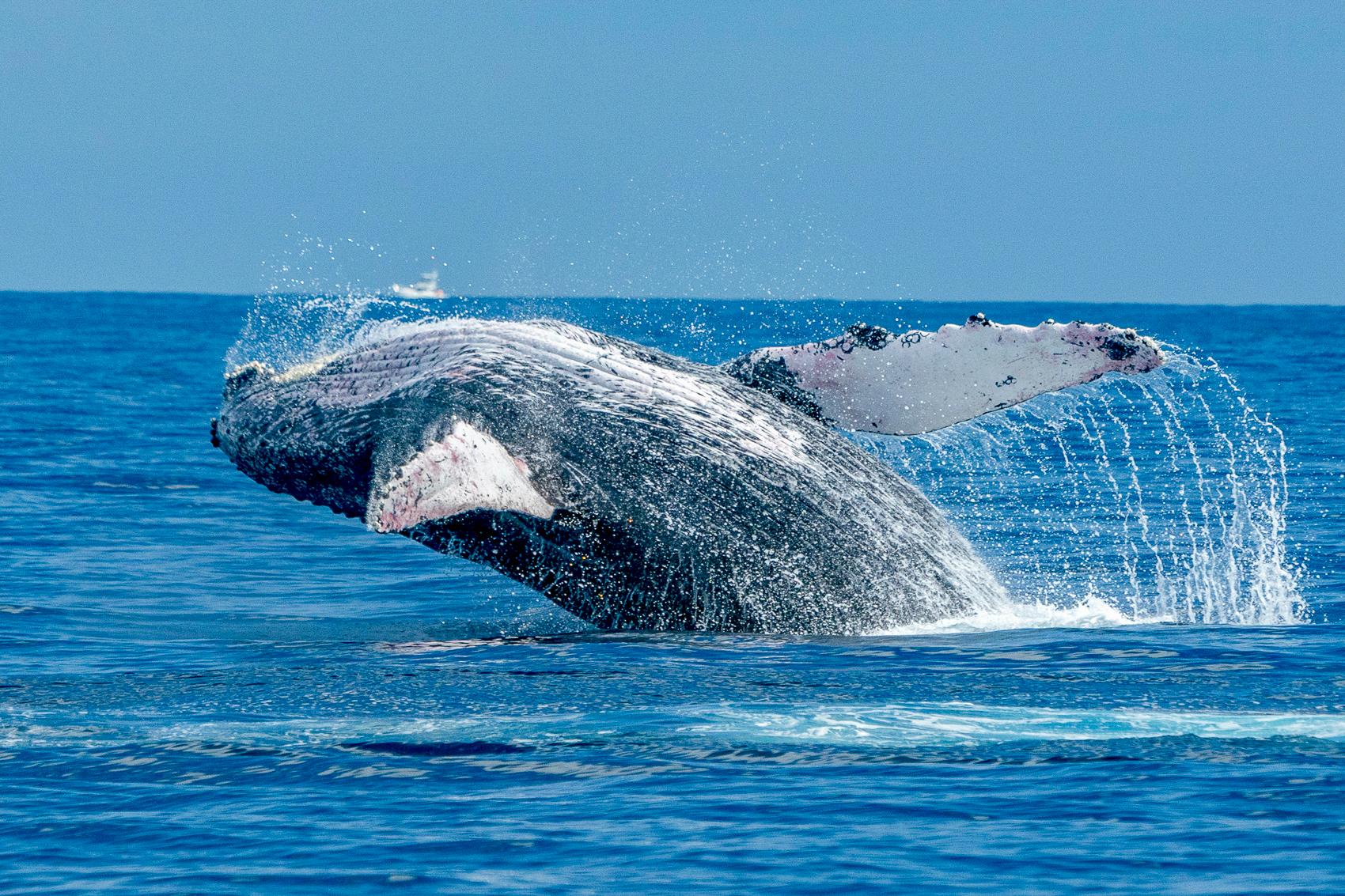
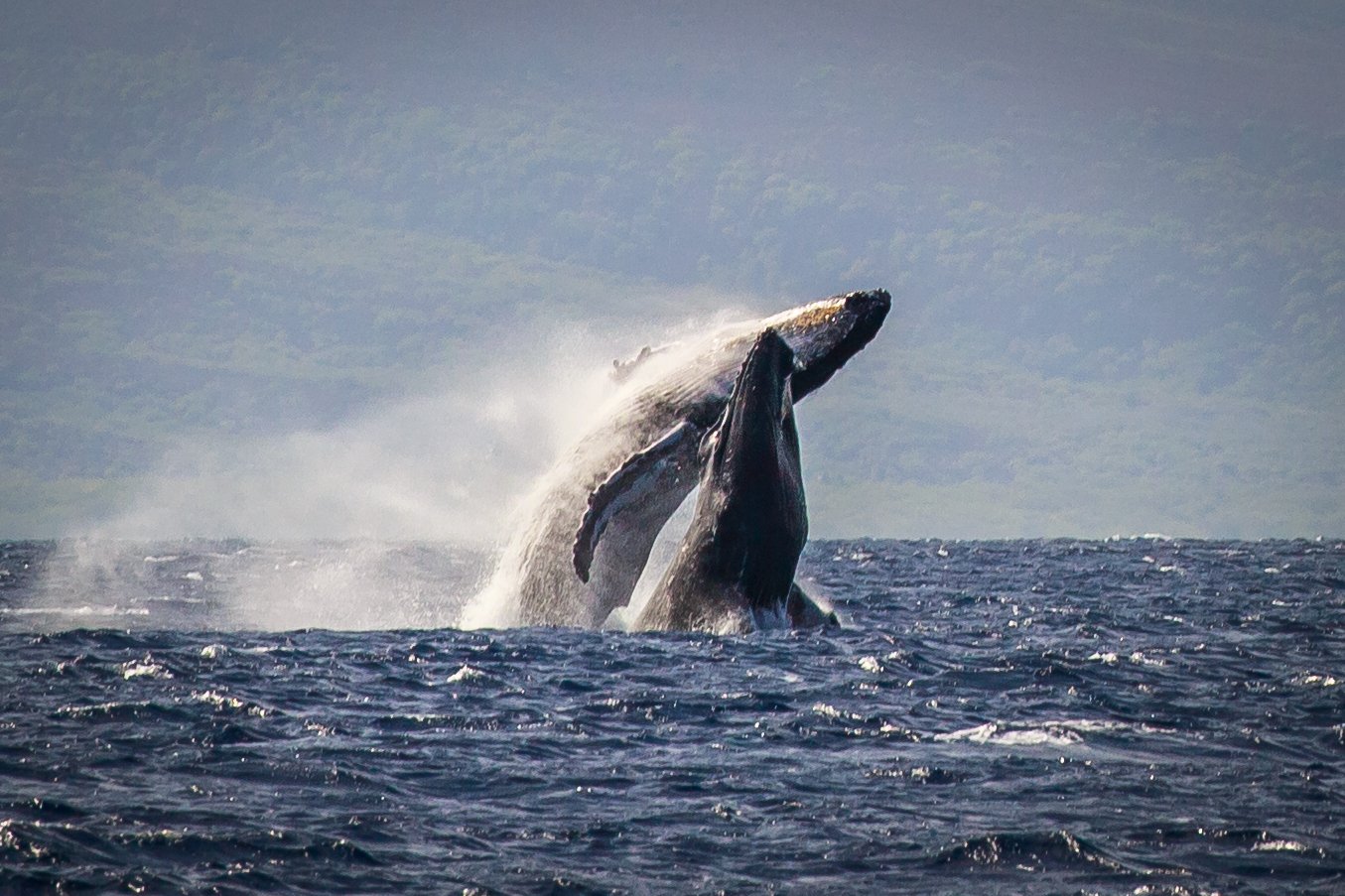
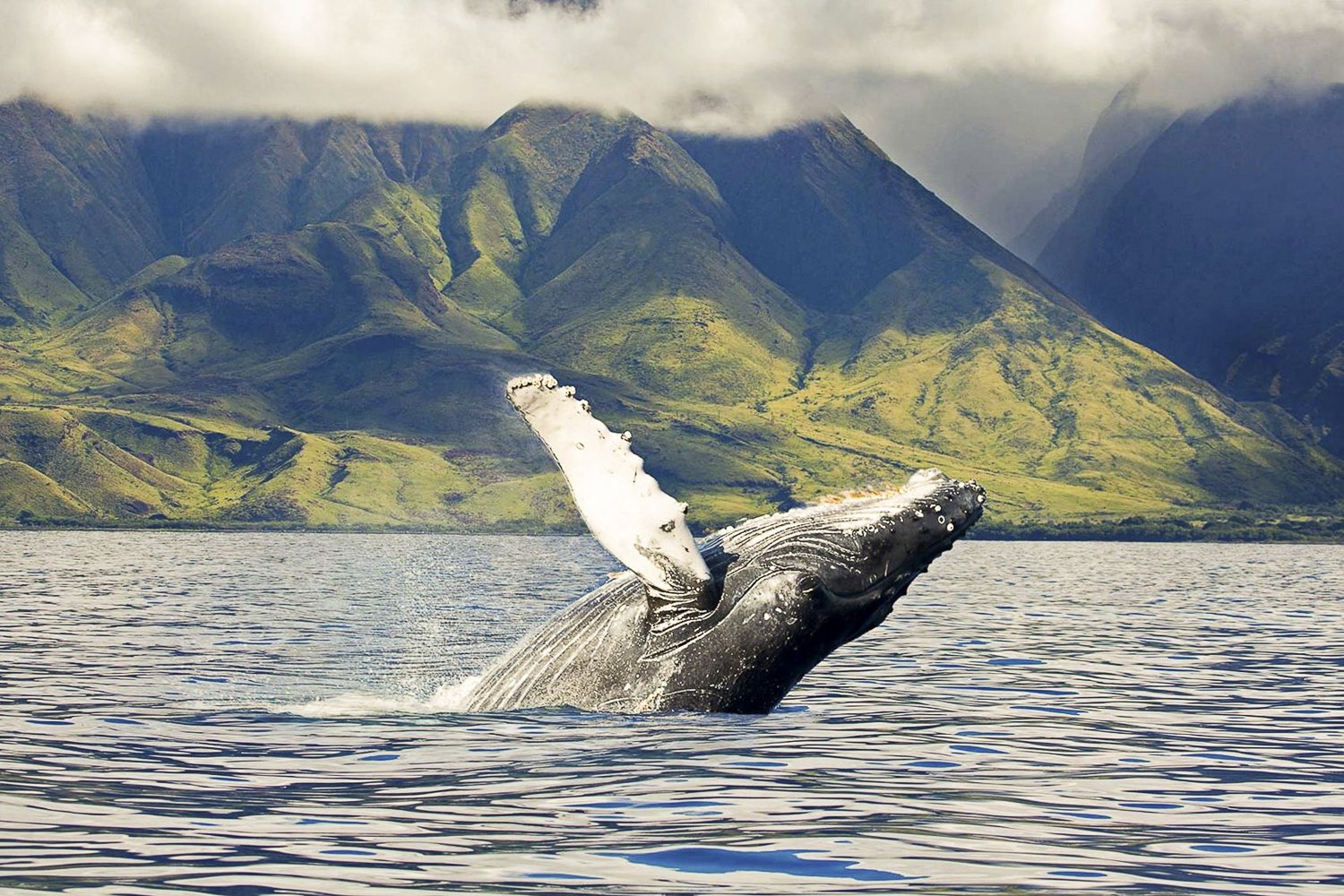
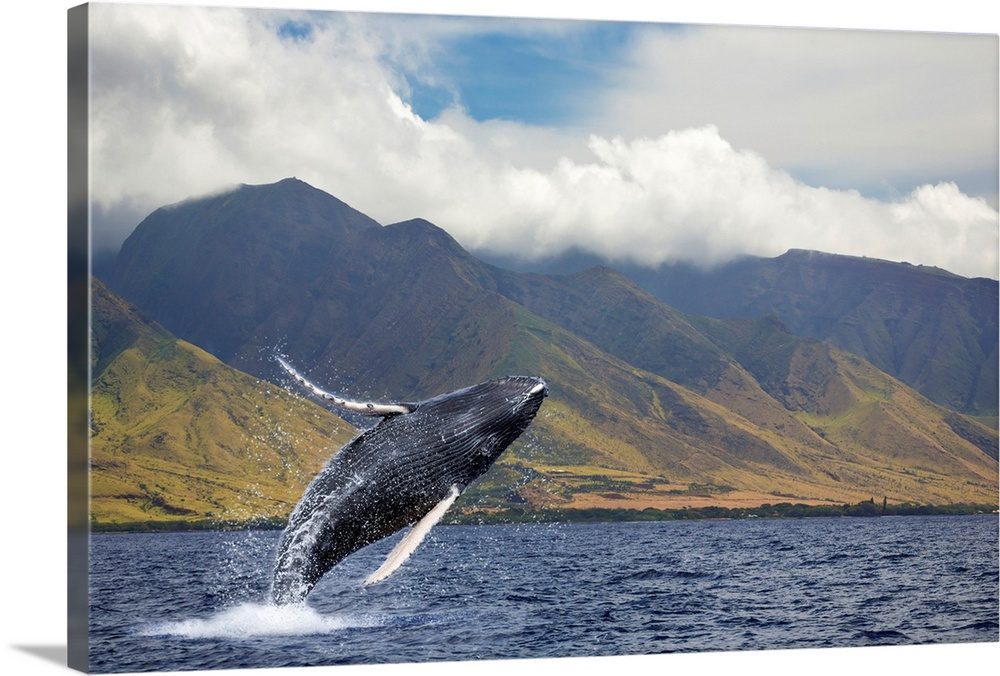
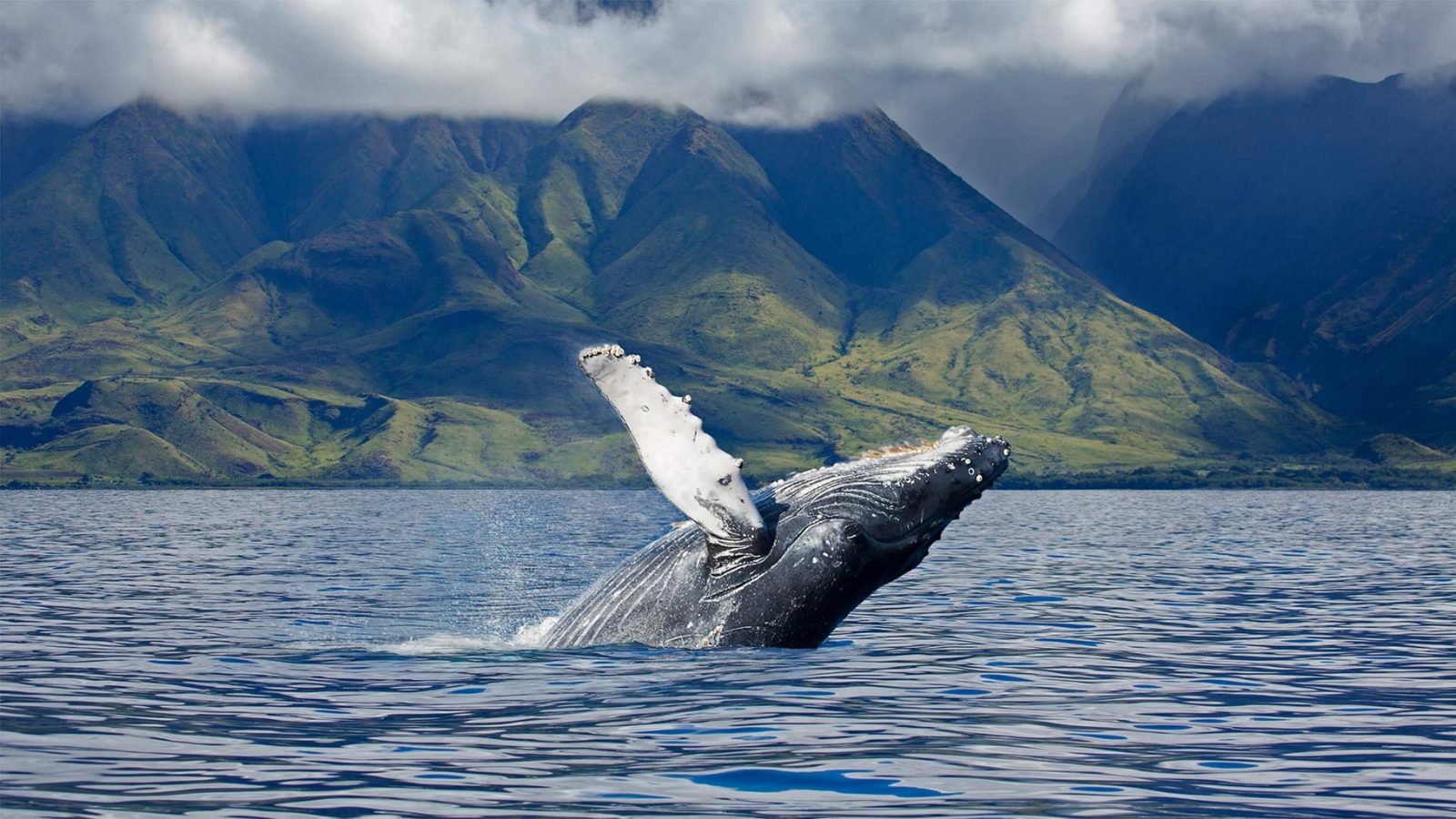
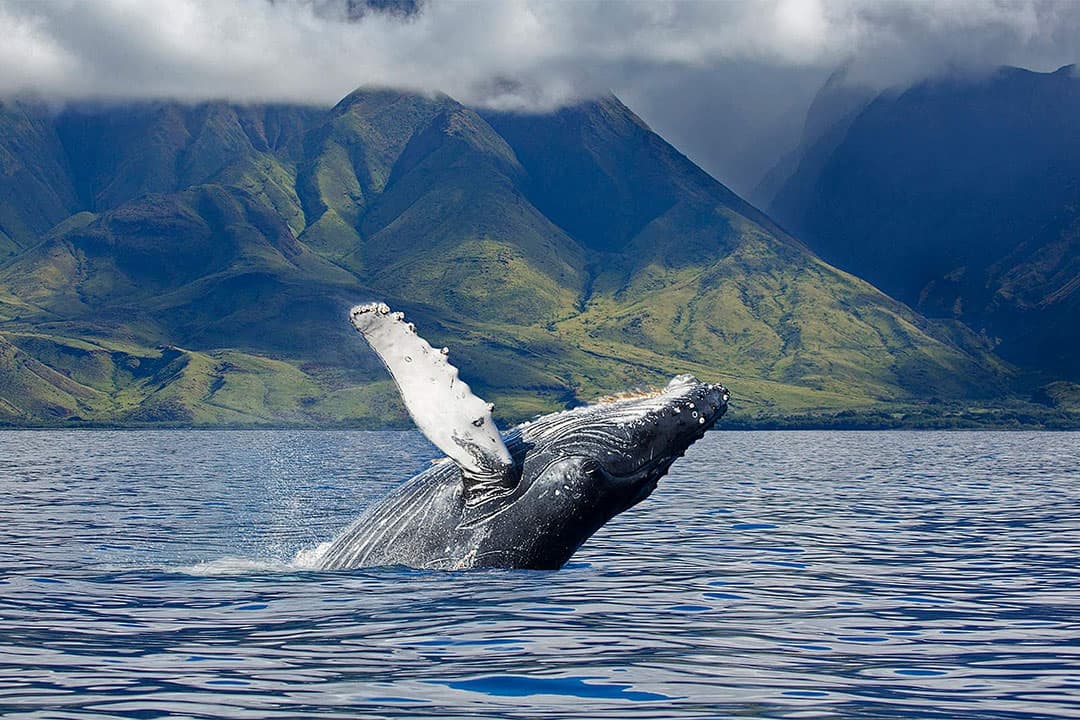
The calf, no more than three weeks old, executes a clumsy breach that sends spray across the catamaran's forward deck. You watch the mother's barnacle-encrusted rostrum emerge in a slow, arching blow, her exhalation visible as a vertical mist that catches the early light. The naturalist lowers the hydrophone array, and the cabin speakers fill with low-frequency moans from a singing male positioned somewhere beneath the hull. You count four more breaches over the next hour as the catamaran drifts parallel to the Lāna'i coastline, each surface event preceded by a subsurface shadow that darkens the water seconds before impact. By 9 AM you've logged sightings of six separate pods, photographed three fluke-up dives, and watched a competitive group of four males jostle for position near a lone female.
All the details about your upcoming adventure in one place
Every winter, more than 10,000 North Pacific humpback whales migrate 3,000 miles from Alaskan feeding grounds to the shallow channels surrounding Maui, transforming the island's western and southern coasts into one of the world's most concentrated calving and mating habitats.
The Au'au Channel between Maui, Lāna'i, and Kaho'olawe offers warm waters averaging 75 degrees Fahrenheit and protective depth contours that shield newborn calves from open-ocean predators and swells. Federal law established the Hawaiian Islands Humpback Whale National Marine Sanctuary in 1992, extending across 1,400 square miles of coastal waters and requiring vessels to maintain 100-yard minimum distances from surfacing pods.
Ma'alaea Harbor, positioned at the isthmus between Maui's western and central volcanic masses, serves as the primary departure point for sanctioned whale-watching vessels operating under National Oceanic and Atmospheric Administration protocols. The harbor's location at the mouth of the Au'au Channel reduces transit time to active whale zones, with morning departures typically encountering surface activity within 15 minutes of clearing the breakwater. Calm dawn conditions along the leeward coast create optimal hydrophone listening environments, allowing marine naturalists aboard permitted cruises to detect underwater vocalizations from breeding males and coordinate acoustic displays with visual breaches, tail slaps, and pectoral fin waves.
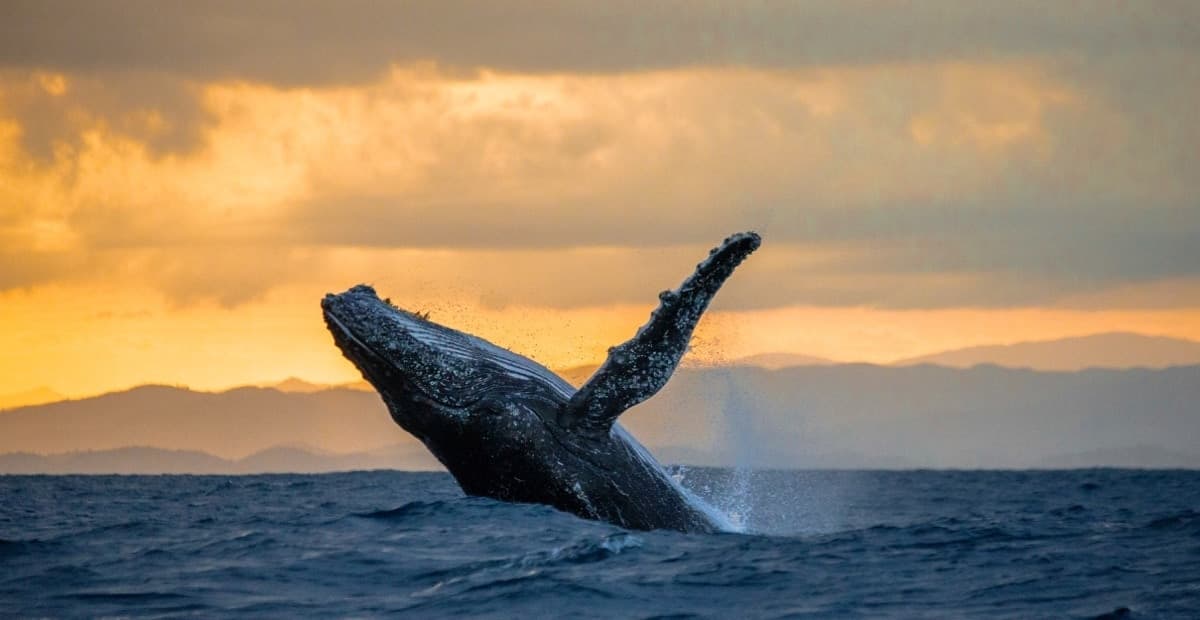
Humpback presence in Hawaiian waters peaks between January and March, when cow-calf pairs occupy nearshore corridors and competitive male groups engage in surface-active behaviors visible from distances exceeding half a mile. Adult humpbacks measure 40 to 50 feet in length and weigh approximately 40 tons, with pectoral fins spanning one-third of total body length and flukes displaying individually identifiable pigmentation patterns cataloged by the Pacific Whale Foundation's photo-identification database. Calves born in Maui waters gain 100 pounds daily during their first weeks, nursing on milk containing 45 percent fat content before undertaking the northward migration to subarctic feeding grounds in late April.
Modern whale-watching protocols aboard Ma'alaea-based catamarans integrate real-time sighting networks maintained by the sanctuary's volunteer observation program, which logs hourly position reports from shore-based stations at Papawai Point and McGregor Point. Hydrophone arrays deployed across the channel allow passengers to hear male song sequences that repeat in 10- to 20-minute cycles, with phrase structures evolving progressively throughout each season and synchronizing across the entire North Pacific population by the following winter.

More than 10,000 North Pacific humpback whales migrate 3,000 miles to Maui's shallow channels each winter, transforming the Au'au corridor into the world's most concentrated calving habitat.
Wear comfortable, casual clothing suitable for a boat environment. Layers are recommended as hawaii whale watching maui tours often encounter cooler breezes on the open ocean.
Keep items minimal as space on vessels is limited. Secure any electronics or personal gear in a water-resistant bag during your hawaii whale watching maui excursion.
Photography is encouraged during hawaii whale watching maui expeditions. Use a strap for your camera to prevent drops and keep gear dry during transit.
Families should supervise children closely near the docks. Many hawaii whale watching maui tours provide life jackets for younger guests.
Harbor walkways are paved, but boarding practices vary by vessel. Contact your hawaii whale watching maui operator in advance to confirm ramp or ladder access for your specific boat.
Most hawaii whale watching maui tours provide light snacks or refreshments on board. Bringing your own refillable water bottle is recommended for hydration during the trip.
Opening Hours
07:00–18:00
Address
101 Maalaea Boat Harbor Rd, Wailuku, HI 96793
Arrival Recommendation
07:00–10:00
Best Conditions
Calmer morning waters and lighter winds provide optimal visibility and smoother conditions.
Storage
Not available at the harbor; bring a small dry bag for belongings.
Harbor Access
Entrance located just past the Maui Ocean Center.
Cancellation policies vary by operator; please check your specific hawaii whale watching maui tickets for the provider's exact refund window. There is 0 USD entrance fee to the harbor area itself.
Recommended time
3-4 hours
Most excursions for hawaii whale watching maui require a few hours on the water plus check-in time at 101 Maalaea Boat Harbor Rd, Wailuku, HI 96793. Plan for a half-day commitment if you include transit or gear preparation, as these hawaii whale watching maui tours often experience variable passenger volumes throughout the day. While hawaii whale watching maui tickets remain valid for specific time slots, harbor congestion is lowest before noon. Booking your hawaii whale watching maui tour early helps ensure a stable experience while avoiding the increased afternoon wind and swells in the Auau Channel.
Crowd levels through the day
The humpback whales that define hawaii whale watching maui today have migrated to Hawaiian waters for millennia, but organized commercial observation began only in the 1970s. Before that decade, whales were hunted rather than watched. Yankee whalers arrived in Lahaina in 1819, transforming the sleepy village into the Pacific's whaling capital by the 1840s. More than four hundred ships anchored annually in Lahaina Roads, their crews pursuing sperm whales across the North Pacific before wintering in Maui's protected channels. The industry collapsed in 1871 when an Arctic disaster trapped and crushed thirty-three vessels in ice, ending the era that had shaped Maui's economy for half a century. Modern whale watching emerged after the Marine Mammal Protection Act of 1972 banned harassment of cetaceans and the Endangered Species Act listed humpbacks in 1973. Researchers from the University of Hawaii and the National Marine Fisheries Service began systematic surveys in the mid-1970s, documenting breeding behaviors in the shallow Auau Channel between Maui and Lanai. The first hawaii whale watching maui tours launched from Lahaina Harbor around 1975, carrying fewer than twenty passengers on converted fishing boats. Captain Steve Swartz pioneered photo-identification techniques in 1977, proving individual whales returned annually to the same breeding grounds. Congress established the Hawaiian Islands Humpback Whale National Marine Sanctuary in 1992, protecting 1,400 square miles of habitat around Maui, with headquarters at Maalaea Harbor. Approach distances were codified at one hundred yards for vessels, two hundred for aircraft. The population recovered from an estimated low of one thousand animals in the 1960s to more than ten thousand by 2015, prompting NOAA to propose delisting in 2016. Today more than sixty permitted operators run hawaii whale watching maui tickets from December through April, when an estimated sixty percent of the North Pacific humpback population migrates to Maui's warm waters to calve and nurse.
Yankee whaling ships first anchor in Lahaina, beginning five decades of commercial whale hunting from Maui ports.
Lahaina becomes the Pacific whaling capital with over four hundred vessels wintering annually in its protected harbor.
Arctic ice traps thirty-three whaling ships, collapsing the industry and ending Maui's whaling economy.
Marine Mammal Protection Act and Endangered Species Act halt whale hunting and enable observation-based tourism.
First commercial whale-watching tours depart from Lahaina Harbor on small converted fishing boats.
Congress establishes Hawaiian Islands Humpback Whale National Marine Sanctuary protecting 1,400 square miles around Maui.
North Pacific humpback population recovers to over ten thousand animals after decades near extinction.
More than sixty permitted operators conduct seasonal tours from Maalaea and Lahaina harbors during the December–April migration.
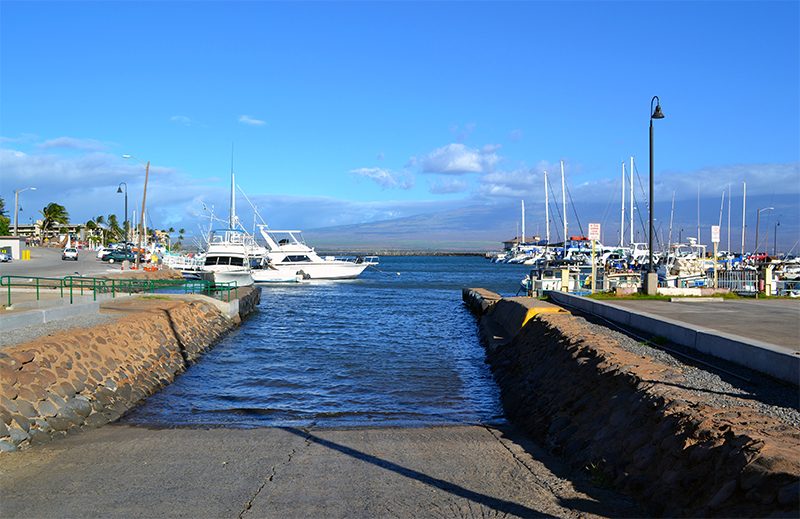
Position yourself at the end of the stone jetty for a wide-angle perspective of the harbor entrance where boats depart for hawaii whale watching maui excursions.
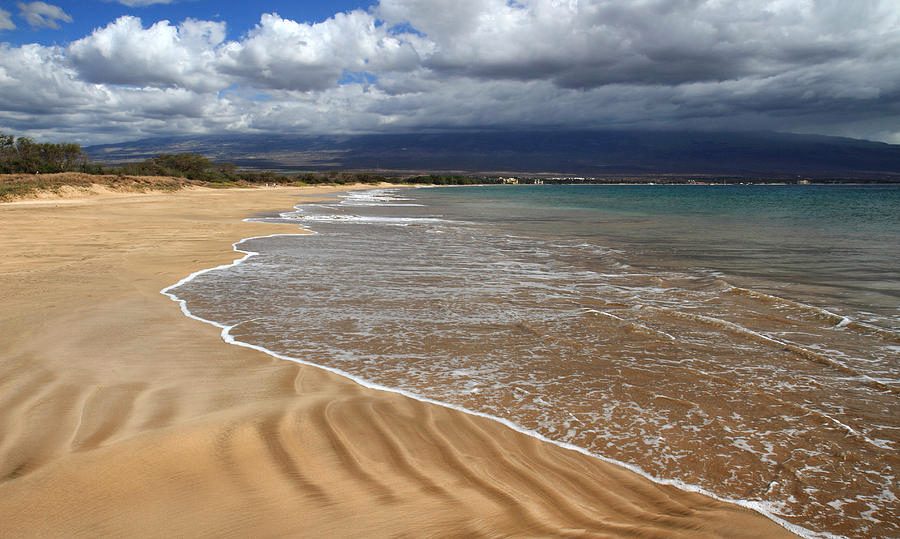
Capture the vast Pacific horizon from the sand, utilizing a telephoto lens to frame distant breaches against the mountain backdrop.
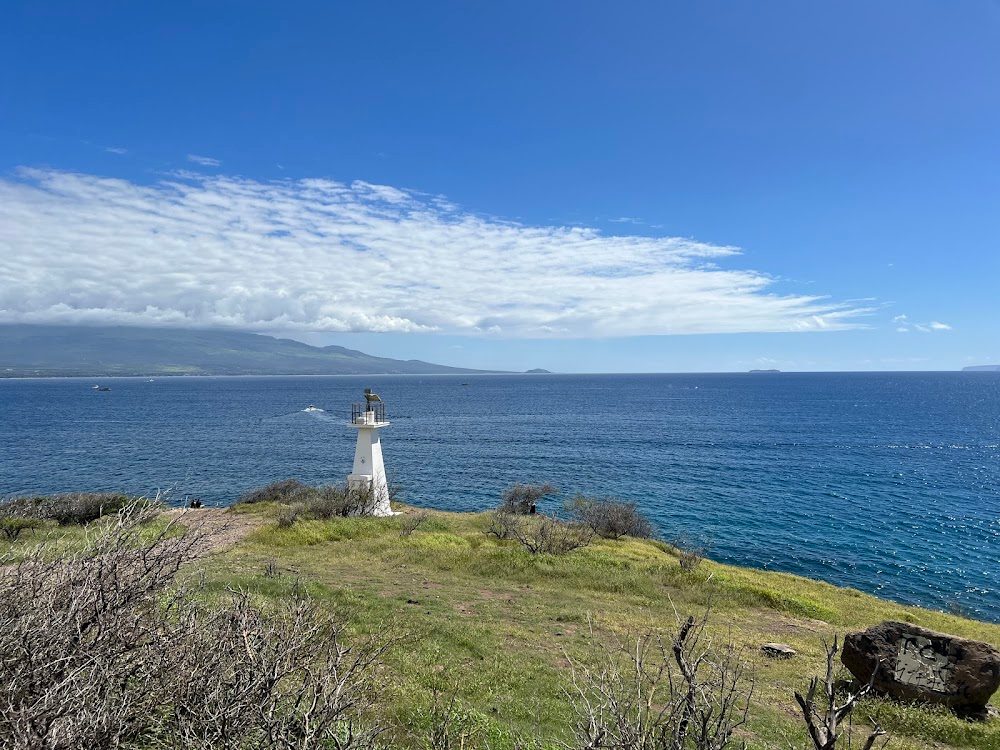
Stand along the paved observation area to capture humpback whales navigating the channel from an elevated vantage point.
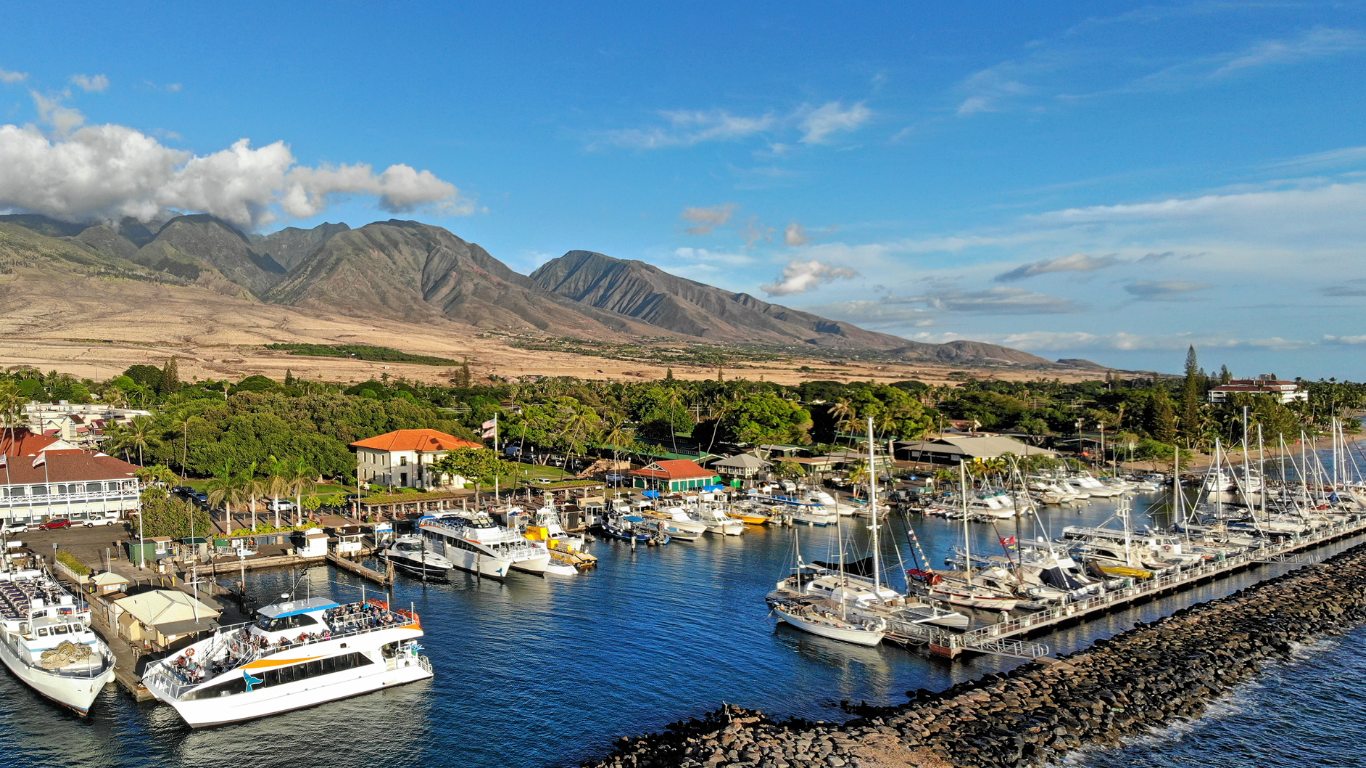
Walk along the main waterfront walkway to photograph the fleet of vessels preparing for various hawaii whale watching maui tours.
Exploring the ocean with your little ones is a special way to bond, and hawaii whale watching maui offers a unique chance to connect with nature's giants. Choosing the right vessel and morning timing helps ensure a comfortable experience for the entire family.
While many operators welcome toddlers, children aged six to twelve generally engage most with the educational aspects; always confirm specific minimum age requirements for your selected hawaii whale watching maui tours.
Opt for morning departures when waters are calmest, and consider providing motion sickness remedies well before boarding to ensure a smoother excursion.
Maalaea Harbor features public restrooms and is adjacent to family-friendly amenities, but be prepared for boat deck environments where strollers cannot be used during the hawaii whale watching maui tour.
Keep the trip duration to a manageable two or three hours and bring plenty of snacks, layers for wind, and sun protection to keep young explorers comfortable while securing your hawaii whale watching maui tickets.
Look for larger catamarans that provide shaded cabin areas and stabilization, allowing children to move safely and observe the marine life with less risk of fatigue.
Visitors planning for hawaii whale watching maui will find several dining options conveniently located at Maalaea Harbor Shops. These venues provide quick sustenance before heading out on your Maui boat excursion or a relaxed setting to discuss sightings after your hawaii whale watching maui tours conclude.
This casual spot offers harbor views and hearty breakfast options, making it ideal for those seeking fuel before picking up their hawaii whale watching maui tickets. Try the breakfast burrito for a quick start to your morning.
A local staple for grab-and-go snacks, coffee, and light meals. It is a convenient stop for travelers grabbing supplies before embarking on a hawaii whale watching maui tour.
Located at the Maui Ocean Center, this venue focuses on sustainable island cuisine with a focus on fresh fish. It is perfect for a post-activity meal if you prefer a sit-down dining experience near the harbor.
Everything you need to know for your journey
The harbor area is open daily from 07:00–18:00.
For the best experience, arrive between 07:00–10:00 to take advantage of calmer morning waters and lighter winds for your hawaii whale watching maui tour.
There is 0 USD entrance fee for entering the harbor area; individual activity tour prices vary by operator.
It is highly recommended to book your hawaii whale watching maui tickets in advance online to secure your preferred departure time.
Items like large coolers, drones, and glass containers are generally prohibited on hawaii whale watching maui boat tours for safety reasons.
While the harbor has paved paths, individual boat access varies; please coordinate with your specific hawaii whale watching maui tour operator.
The peak season for hawaii whale watching maui is generally between January and March.
Wear comfortable, casual clothing and bring a light jacket, as it can feel cooler on the water during hawaii whale watching maui excursions.
The harbor is located at 101 Maalaea Boat Harbor Rd, Wailuku, HI 96793 and is accessible by car with paid parking available.
Yes, children are welcome on most hawaii whale watching maui tours, though you should check the minimum age requirements with your specific operator.
Join thousands of happy travelers who have discovered this incredible experience
Book Your Experience Now